
Student Revolution Topples Decade Of Dominance In Serbia
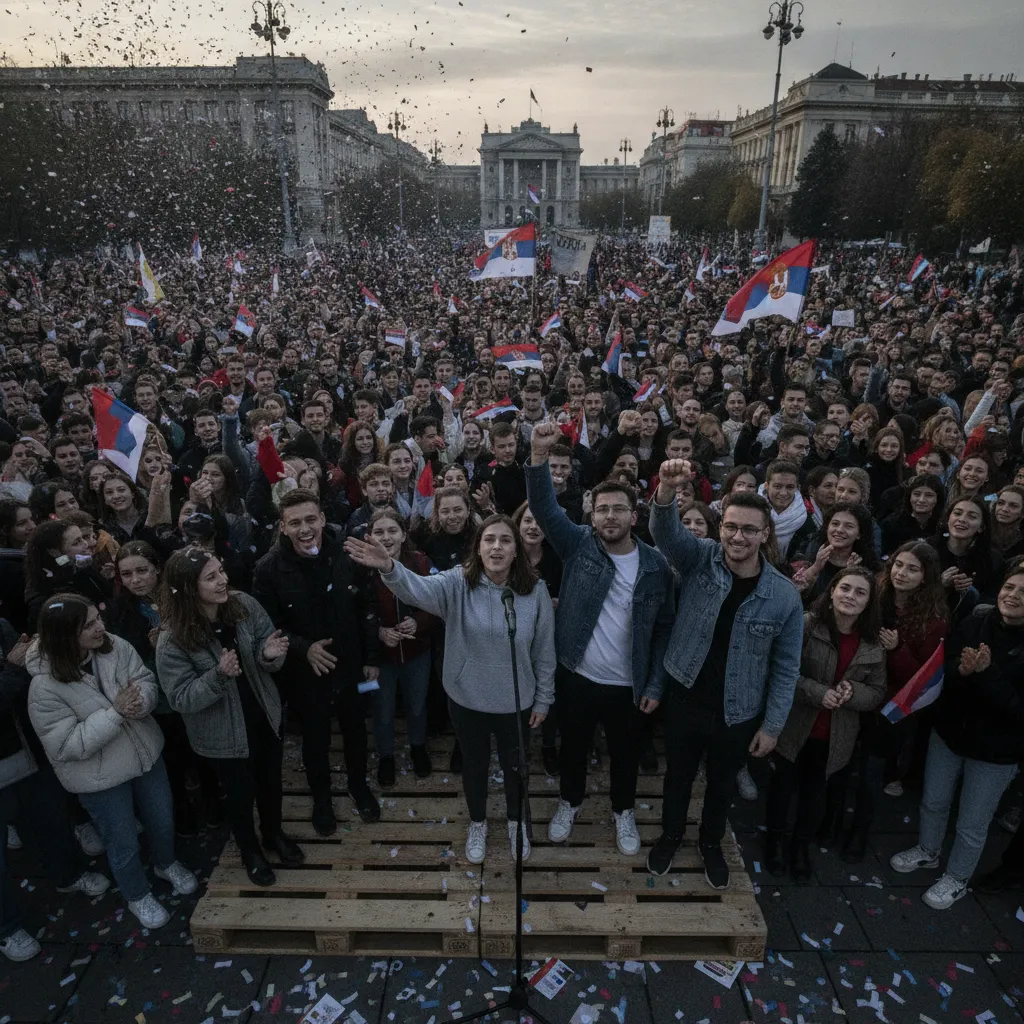
Belgrade awoke to a transformed political landscape after Aleksandar Vucic, the man who has defined Serbian politics for over a decade, conceded defeat in a stunning parliamentary election. Speaking at a press conference late Friday night, Vucic admitted that his party had been beaten by the Students List, a grassroots movement born from grief and outrage. Preliminary figures suggest the student-led coalition secured between 135 and 140 seats, leaving Vucic with roughly 105 and effectively locking all other parties out of parliament. As the news broke, spontaneous celebrations erupted across major cities like Belgrade and Novi Sad, marking what many see as the end of an era of centralized control.
The surge in support for the youth movement was fueled largely by a national tragedy in Novi Sad, where sixteen people died following the collapse of a railway station canopy. Reports of corruption and shoddy construction involving Chinese firms turned a local disaster into a catalyst for nationwide protest. This momentum translated into a massive voter turnout that observers believe may have reached seventy percent, reflecting a desperate desire for systemic change. Leading candidate Ilija Srdanovic promised that this victory marks the beginning of a state governed by the rule of law, emphasizing that the win proves change is possible when citizens possess the collective will to demand it.
International reactions were swift and optimistic, particularly from Brussels. European Council President Antonio Costa and European Commission President Ursula von der Leyen both hailed the results as a pivotal step toward Serbia’s eventual membership in the European Union. Both leaders pledged support for critical reforms regarding media freedom and anti-corruption measures. This shift signals a likely departure from Vucic’s delicate balancing act between East and West, suggesting that Serbia may now move closer to European integration and distance itself from its traditional reliance on Moscow.
Despite his concession, Vucic did not go quietly into retirement. He lashed out at foreign powers during his address, claiming his defeat was not organic but rather the result of dirty work orchestrated by European capitals and elements within the American deep state opposing Donald Trump. He warned that the incoming government would soon be pressured into imposing sanctions on Russia, arguing that the current victors are merely puppets carrying out external agendas. While he attempted to frame himself as a defender of sovereignty, critics point out that his own tenure was marked by consolidating power anddemocratic backsliding that eventually alienated much of his electorate.
Related Stories
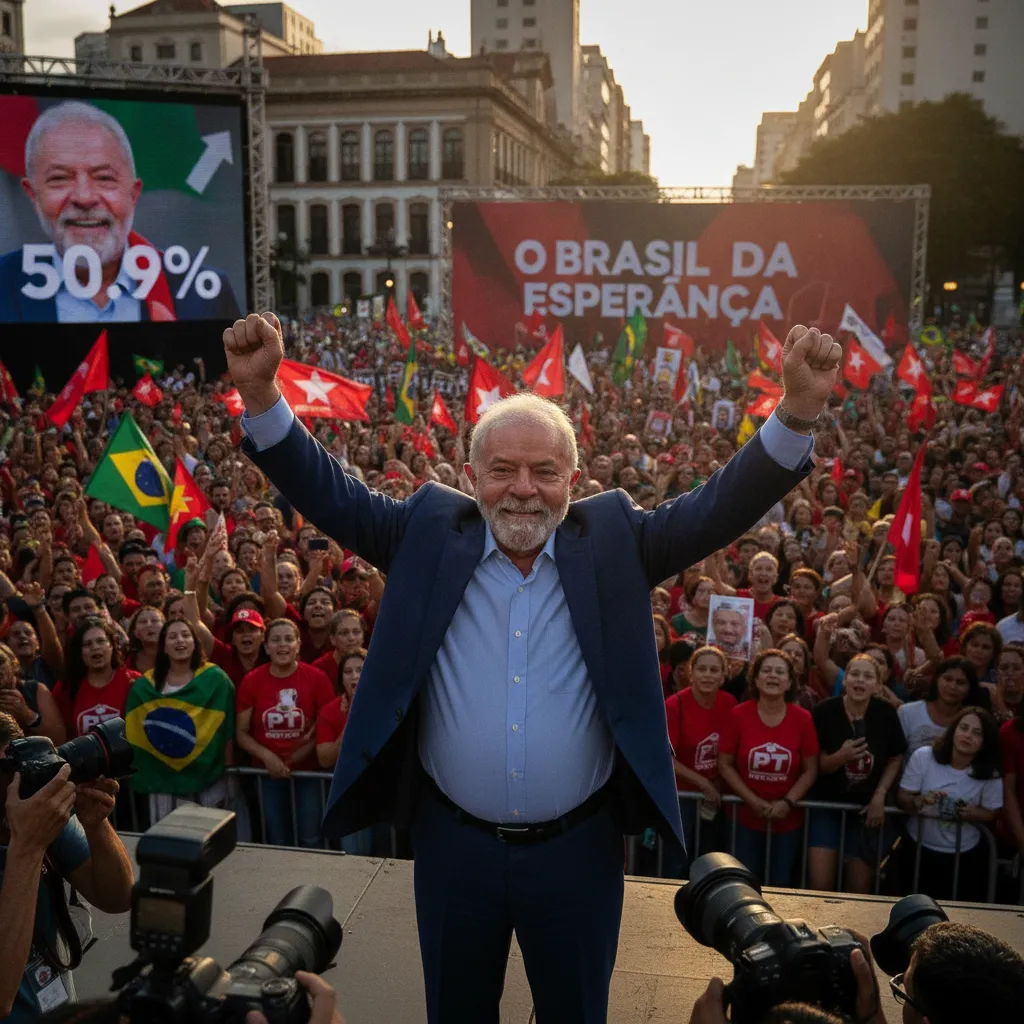
A Defiant Return For Lula Amidst a Conservative Tide
Luiz Inacio Lula da Silva has etched his name further into the history books, becoming the first Brazilian…

Campaign Trails Heat Up as Trump Hits the South Amid Legal Turmoil
President Donald Trump is heading to Corinth, Mississippi, today for a high stakes rally in support of Republican…
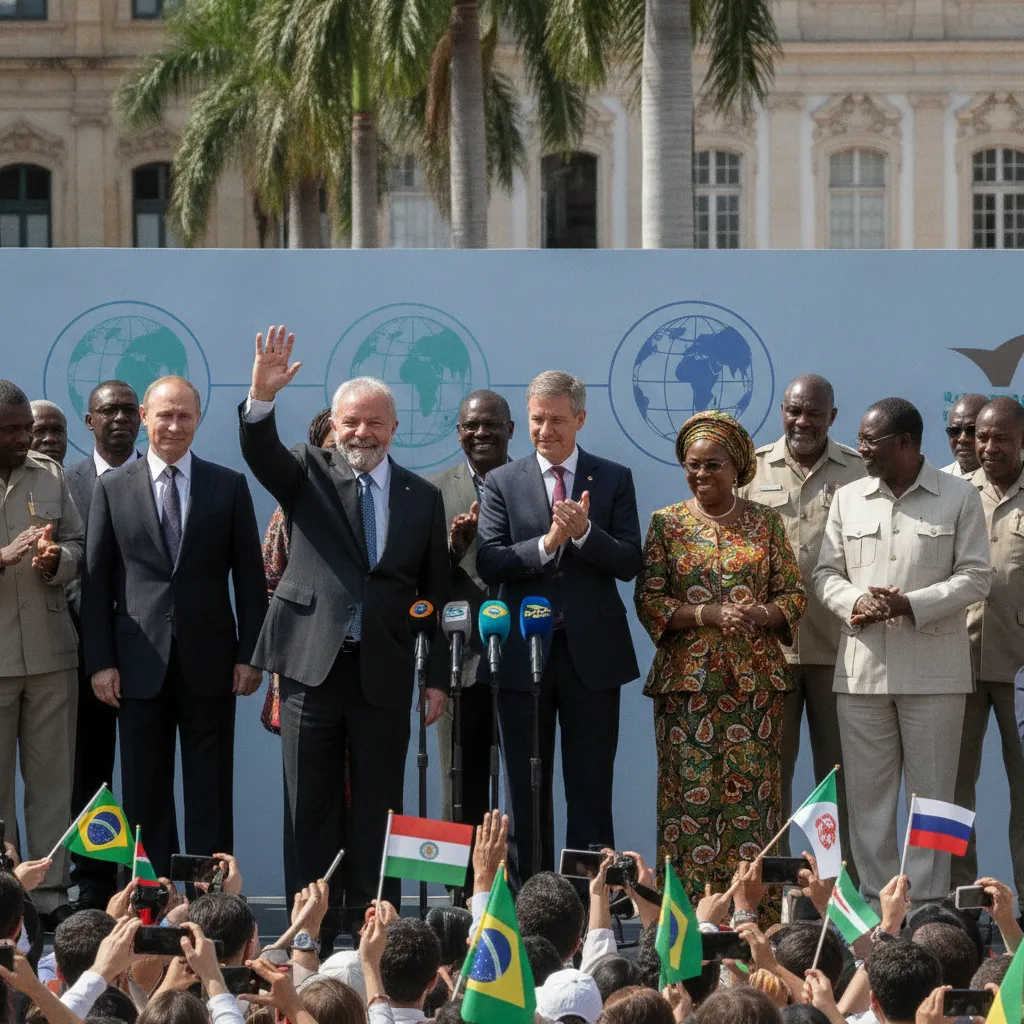
Global Leaders Rally Behind Lula Amidst Election Controversy and U.S. Skepticism
President Luiz Inacio Lula da Silva has received a wave of international support following his victory in Brazil’s…

High Stakes and Hidden Agendas in the Final Stretch
The fight for control of the Senate has taken an unexpected turn toward deep red territory, sparking a…