
Silicon Valley’s Footprint Becomes a Political Liability in Red State Flip
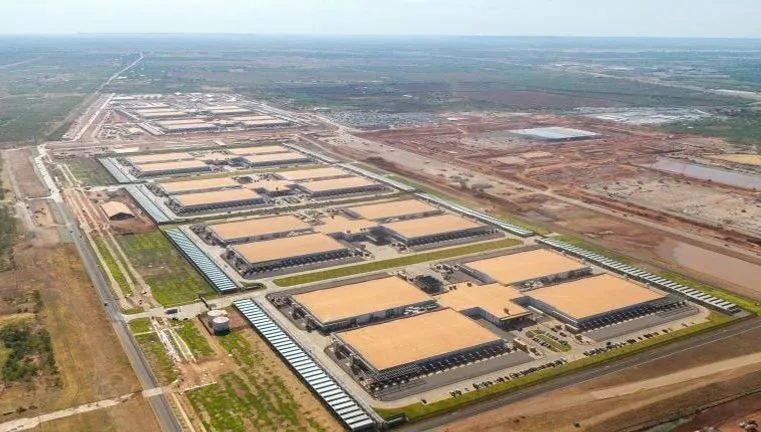
When the results rolled in on Election Night, few expected the map to shift as dramatically as it did, particularly in traditionally deep red territories like Texas. In Kaufman County, located just southeast of Dallas, the arrival of massive data center projects created a flashpoint of local resentment that Democrats expertly leveraged. A strategic effort by the Lone Star Rising PAC targeted voters living within five miles of these facilities, sending personalized warnings that linked the industrial expansion directly to Republican leadership. This hyper local approach helped James Talarico carry the county by a slim margin and contributed to a historic statewide victory for Democrats in Texas for the first time since 1994.
This trend was mirrored across other battlegrounds where once ignored zoning issues became central campaign pillars. In Michigan, Representative elect Will Lawrence successfully flipped a Republican House seat by framing tech billionaires as intruders threatening home values and hiking energy bills. Similarly, in South Carolina, candidate Annie Andrews secured a stunning upset by branding her opponent as Data Center Darline, managing to win over pockets of voters who had previously supported Donald Trump by wide margins. These wins suggest that while inflation and corruption remain top tier concerns for most citizens, the physical encroachment of artificial intelligence infrastructure has become a powerful proxy for broader economic anxiety.
Republicans now find themselves grappling with a fragmented identity on the issue, caught between their desire to maintain American technological dominance over China and a growing grassroots rebellion among their own base. Even former President Trump attempted to soften the blow late in the cycle by suggesting AI be rebranded as super intelligence to distance it from current controversies. Internal memos from conservative policy groups now warn that failing to recalibrate their strategy regarding land use and energy costs could leave them vulnerable heading into 2028.
The backlash extended beyond individual candidates to actual lawmaking at the municipal level. In Ohio, where Senator Sherrod Brown successfully painted his opponent as the face of data centers, voters in ten different cities passed charter amendments to ban large scale facility construction entirely. One community saw support for such bans reach eighty percent, signaling that opposition transcends partisan loyalty. As industry trade groups scramble to prove that these hubs provide tangible tax relief for residents, political strategists agree that the fight over where we house our data has evolved into a defining cultural and economic conflict for rural America.
Related Stories

Silicon Valley Ambition Hits a Political Wall as Anthropic Prepares for Market Debut
Anthropic is stepping into the public spotlight at perhaps the worst possible moment for the artificial intelligence industry.…
Market Tradition Clashes With Tech Anxiety After Democratic Sweep
Wall Street experienced a whirlwind of emotions following the midterm elections, where voters handed Democrats control of both…

High Hopes Dash As Breakthrough Heart Drug Fails Key Clinical Trial
Medical researchers are grappling with a surprising setback after an experimental drug designed to prevent heart attacks and…

Why Your Golden Years Might Need More Than a Simple Formula
For decades, the 4 percent rule has served as the gold standard for retirees trying to navigate the…