
Beyond the Bubble: Why Authentic Connection Is the Only Cure for Political Decay
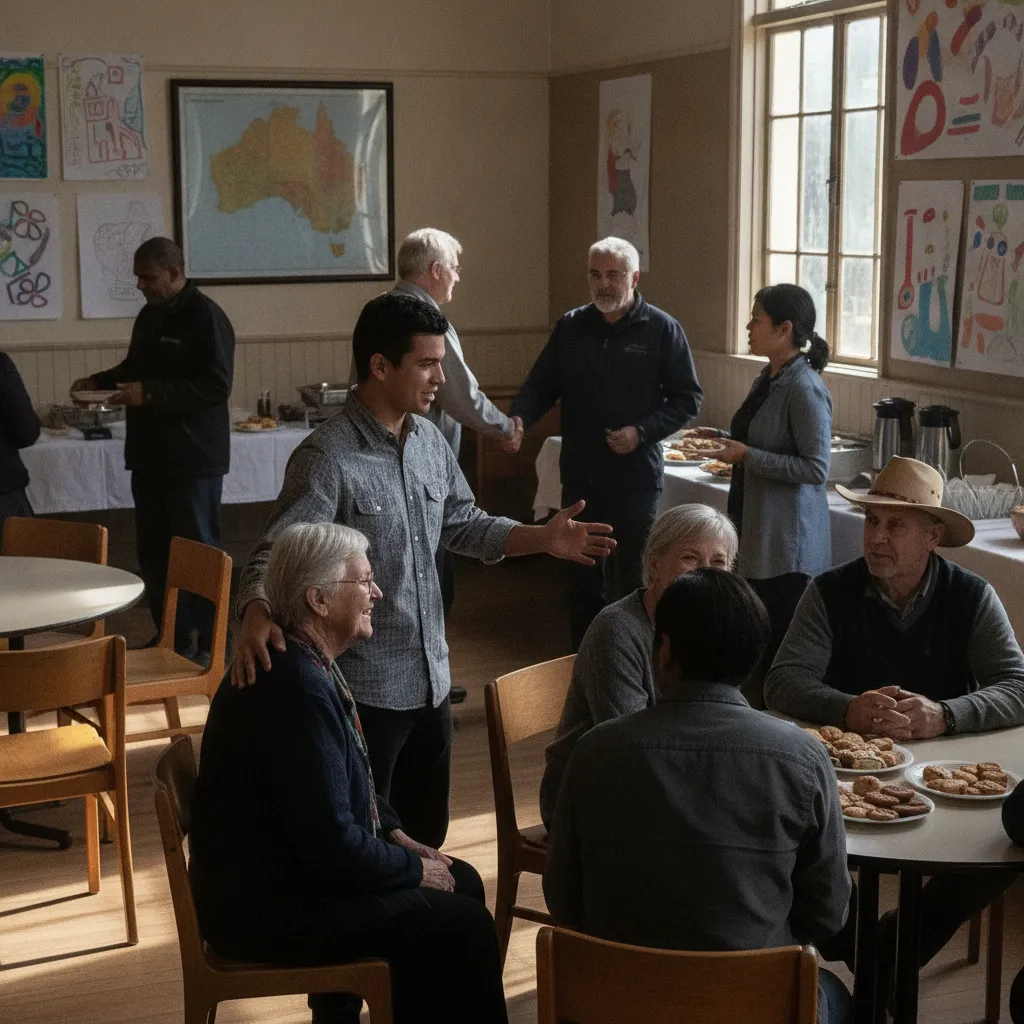
For years, the global political landscape has been defined by leaders who treat grievance as a weapon. From Donald Trump’s promise of retribution to the rise of populists in Europe and South America, the strategy has remained consistent: find a pocket of anger, amplify it, and offer yourself as the sole champion of the forgotten. In Australia, this trend is mirrored in figures like Pauline Hanson, whose perceived authenticity stems not from policy expertise but from a willingness to speak the language of those who feel abandoned by the establishment. When people believe someone finally hears them, they are often willing to overlook a lack of administrative capability.
However, recent shifts suggest that there is a more potent alternative to the politics of division. A new wave of democratic movements is proving that listening and responding to genuine hardship is far more effective than fueling rage. While some politicians rely on carefully manicured talking points and vague assurances that they know people are hurting, these phrases often ring hollow. For citizens struggling with social depression and economic anxiety, being spoken to like a data point on a whiteboard creates a chasm between the governed and those who govern. True representation requires moving beyond scripted empathy toward actual engagement.
The danger currently facing Australian democracy is an intensifying isolation within the corridors of power. As security increases and access becomes restricted by IDs and pre-bookings, politicians are retreating into bubbles that filter out any challenging perspectives. Recent reports indicate a plummeting level of trust, with nearly half the population believing their representatives simply do not understand people like them. When officials prioritize party loyalty or reelection over difficult conversations with their constituents, they leave a vacuum that populist authoritarianism is happy to fill.
Breaking this cycle requires a fundamental return to the essence of representative democracy: actually representing people rather than just managing them. There have been successful blueprints for this in the past, such as when former Queensland Premier Peter Beattie took cabinet meetings on the road and held open forums to explain both costs and benefits directly to the public. Similarly, community independents are now demonstrating that locally embedded models of engagement can challenge top-down party structures. If leadership continues to favor distance over dialogue, they risk losing an entire generation to cynicism; if they choose to truly listen, they may find a way back to legitimacy.
Related Stories
Beyond the Party Lines: How Independents Steered the Midterm Tide
In the wake of a significant political shift, Michael Smerconish is challenging the traditional narrative surrounding the 2026…
A Nation Divided Under Grey Skies
As a thick fog settled over Wellington on Saturday, the atmosphere among voters mirrored the gloomy weather. The…
Gen Z Breaks Away From Trump In Dramatic Midterm Shift
Andy Soma used to skip elections entirely, feeling disconnected from a political system that didn’t seem to speak…
White House Braces For Conflict After Blue Wave Shift
President Donald Trump is already drawing a line in the sand as he prepares for a new era…