
A New Chapter For Michigan And An End To Old Prejudices
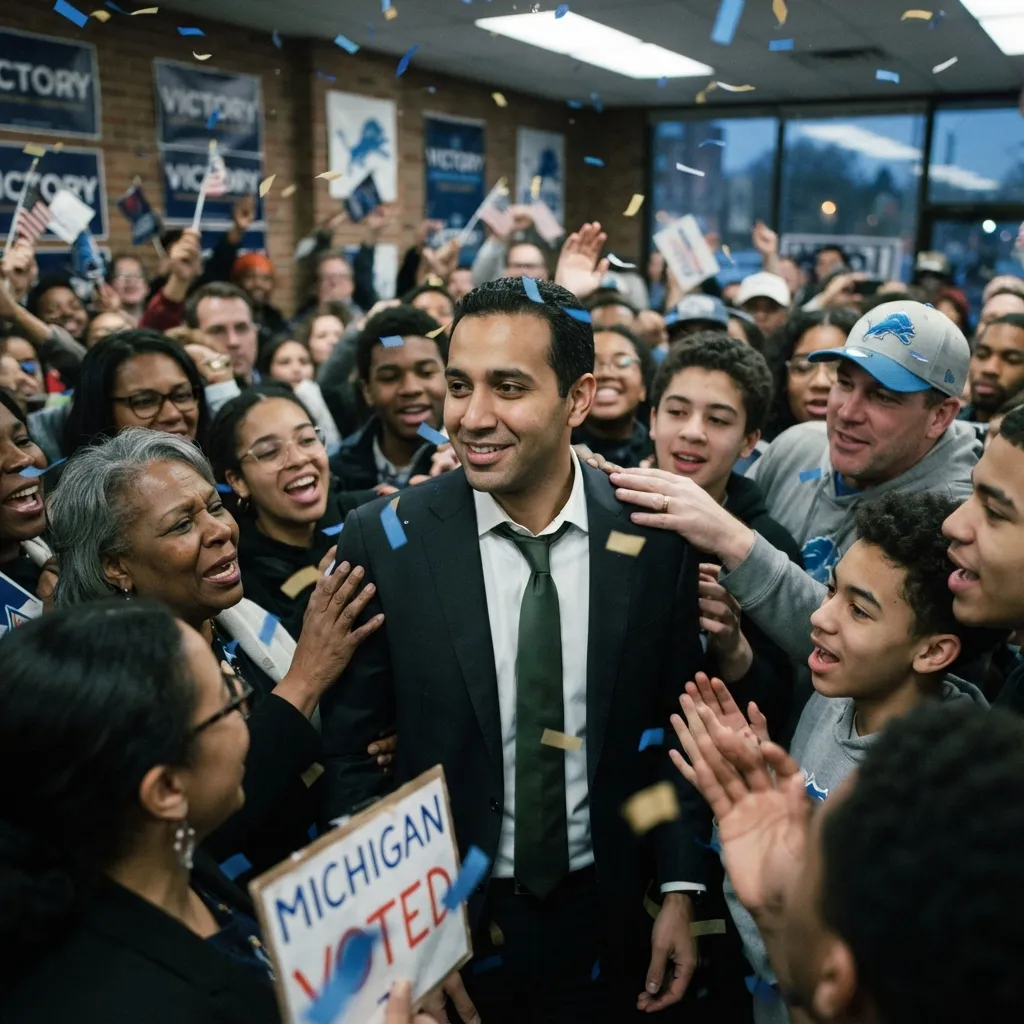
The recent democratic surge that shifted the balance of power in Congress provided many surprises, but few were as symbolic or hard fought as the victory of Abdul El Sayed. Running against Mike Rogers, a candidate backed by nearly 170 million dollars in outside spending from figures like Donald Trump and Elon Musk, El Sayed overcame a mountain of financial opposition to become the first Muslim ever elected to the United States Senate. While analysts focused on the numbers and the shifts in voting blocs, the emotional core of the evening centered on a man reclaiming his identity after months of relentless personal attacks.
Throughout his campaign, opponents attempted to weaponize El Sayed’s heritage, using his full name to paint him as an outsider or a danger to national security. However, during his victory speech, he turned those insults into a badge of honor. With clear Arabic intonation and visible pride, he pronounced his name for the cheering crowd and jokingly suggested that since Donald Trump struggled with it so much, he could simply refer to him as Senator starting in January. This moment of levity masked a deeper triumph over a calculated strategy of fear designed to make a Muslim candidate seem fundamentally unelectable.
The road to Washington was paved with organized bigotry that extended far beyond internet trolls. Reports indicate that dozens of Republican officials participated in coordinated anti Muslim campaigns involving hundreds of social media posts and legislative efforts aimed at marginalizing Islamic practice. Despite warnings from political advisors that his background would alienate voters, El Sayed leaned into his identity as both a devout Muslim and a lifelong Midwesterner. From visiting rural farmers in the Upper Peninsula to sharing meals at Rosh Hashanah dinners, he presented himself not as a foreign entity, but as an American doctor dedicated to public health and community care.
Beyond the cultural milestone, El Sayed campaigned on a platform that linked domestic struggle with international conflict. He spoke candidly about redirecting tax dollars away from foreign wars and toward local schools and healthcare infrastructure in Michigan. By centering themes of humanity and diversity while refusing to be intimidated by smears, El Sayed did more than just win a seat in the Senate; he dismantled an enduring stereotype and proved that inclusive values could prevail even against some of the wealthiest interests in American politics.
Related Stories
Culture War Rhetoric Clouds Investigation Into Nationwide Aviation Failure
Americans seeking clear explanations for a massive nationwide ground stop were instead met with a flurry of culture…

A Dynasty Returns to Shake Up the Hoosier State
For years, Indiana has been regarded as one of the deepest shades of red in the American Rust…
Internal Rift Emerges as Senate Democrats Face Rare Leadership Battle
A rare political storm is brewing within the Democratic caucus as Senator Chris Van Hollen launches a direct…

Diplomatic Missions and Legal Delays Define Trump’s Post Midterm Return
President Trump has touched down in Asia for a series of high stakes meetings with key allies, marking…