
White House Tightens Grip on Federal Data Ahead of Democratic Takeover

President Donald Trump has issued an executive order requiring federal contractors and their subcontractors to notify the White House before providing any information to Congress. The directive further instructs these companies to withhold materials that the administration classifies as confidential. Those who fail to follow the new rules risk having their current contracts canceled or being barred from pursuing future government business.
This move comes as a preemptive strike against incoming Democratic leadership, which is expected to take control of both chambers of Congress in January. By limiting the flow of data from private partners to lawmakers, the president appears to be building a defensive wall around his administration just as Democrats prepare a series of aggressive probes into his family’s business interests and various government operations. This latest mandate follows a separate internal memo requiring agency employees to seek White House clearance before agreeing to testify before congressional committees.
Democratic leaders are already laying the groundwork for extensive investigations into everything from immigration enforcement to potential conflicts of interest within the executive branch. Representative Robert Garcia, who will lead the House Oversight Committee, recently requested that several high profile allies and family members of the president preserve critical documents. These preparations suggest a looming collision between legislative oversight powers and an administration determined to restrict access to its inner workings.
The White House has defended the order by arguing it is essential for protecting national security and preventing the accidental leak of privileged communications. However, legal experts suggest this strategy may trigger intense courtroom battles, especially if contractors are pressured to ignore formal congressional subpoenas. While executive privilege offers some protection for presidential communications, courts often step in when there is a direct clash between a president’s secrecy claims and Congress’ constitutional duty to provide oversight.
Related Stories
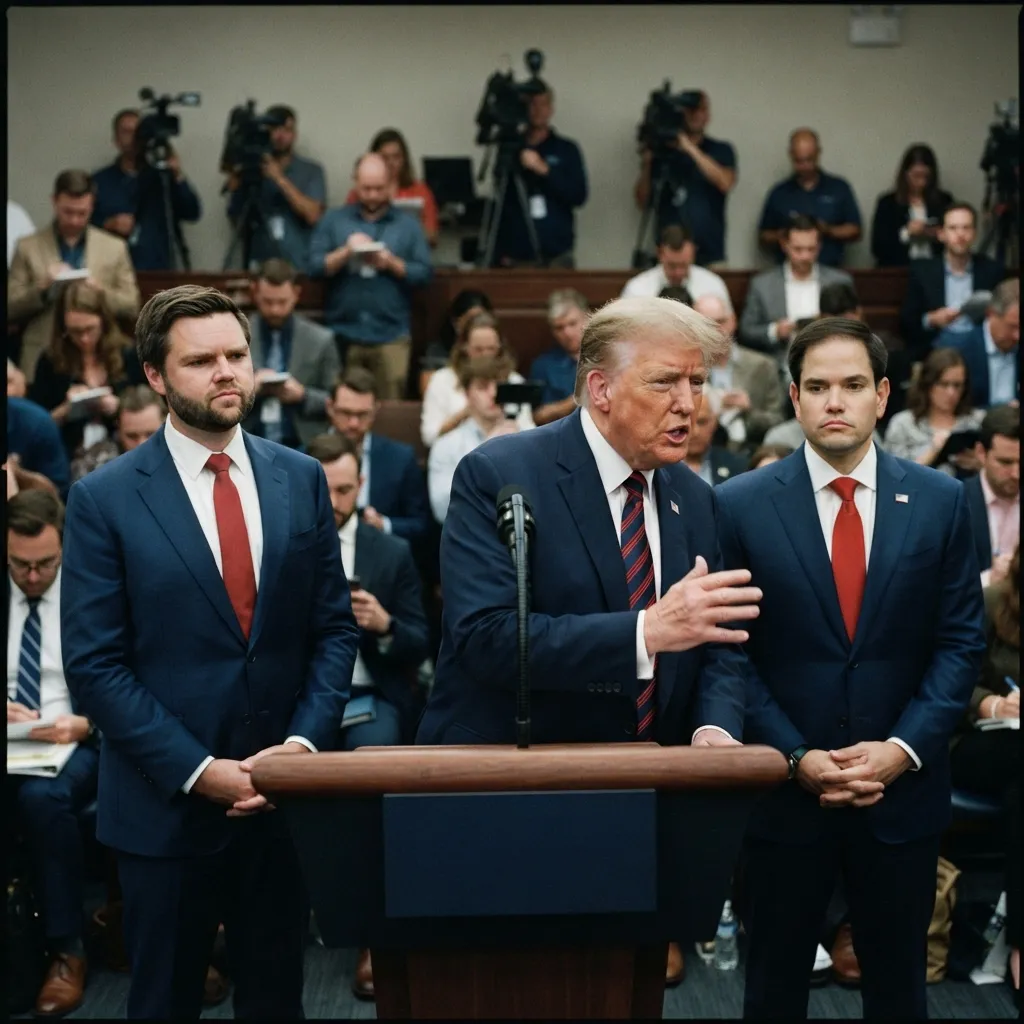
The Long Game in the Briefing Room
Standing nearly shoulder to shoulder in matching navy suits and red ties, Vice President JD Vance and Secretary…
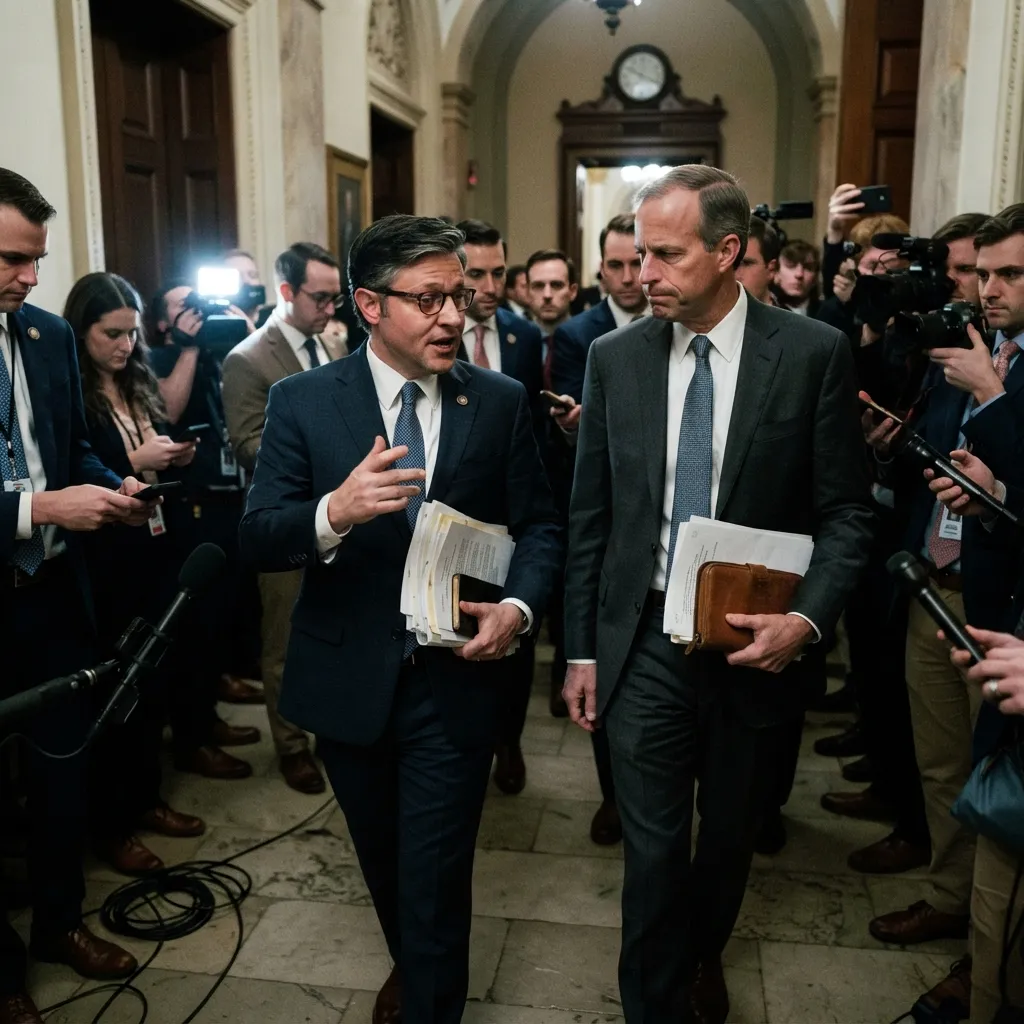
Clock Runs Out on Final GOP Legislative Push
The window is closing rapidly for House Speaker Mike Johnson and Senate Majority Leader John Thune to leave…

A New Era Looms Over the Democratic Primary Path
The road to the 2028 presidential election is already beginning to take shape as political observers eye a…
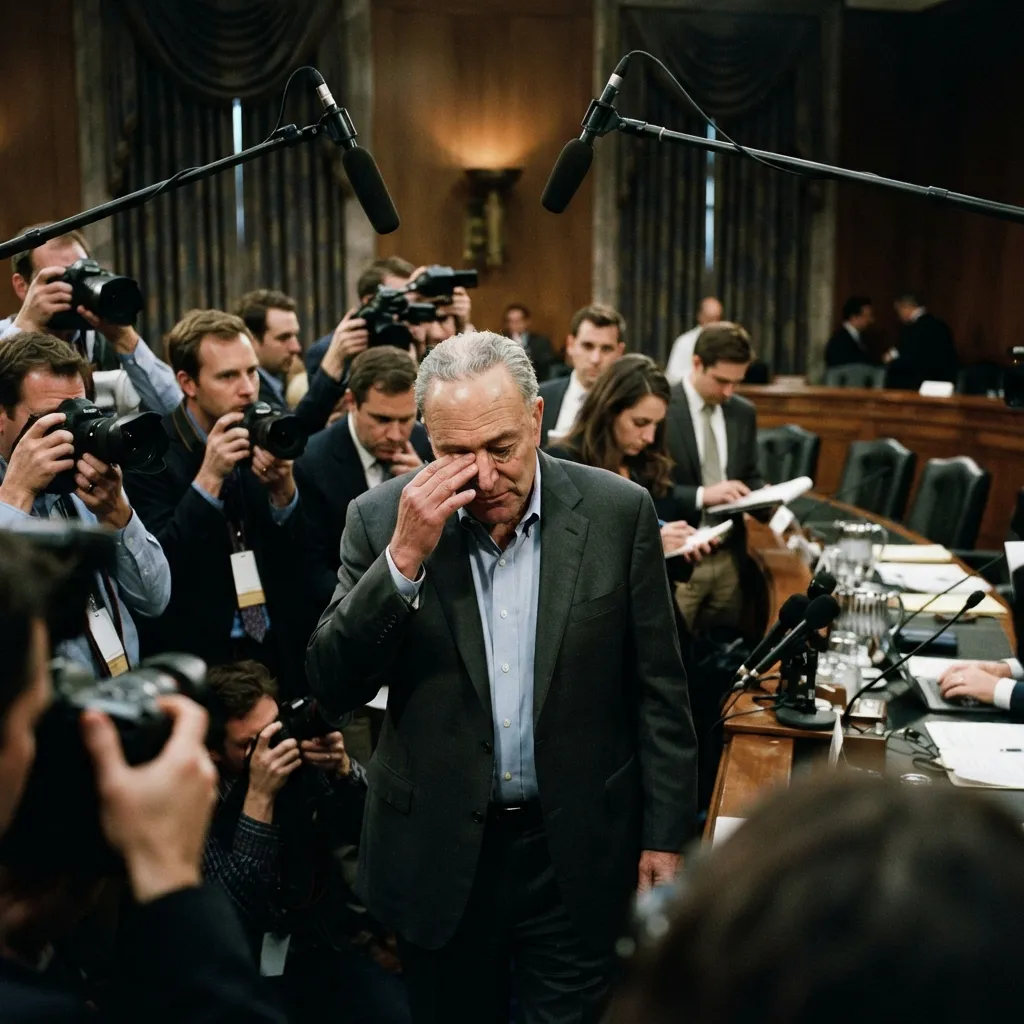
Balancing Accountability and Public Fatigue as Democrats Prepare Oversight Agenda
As Democrats prepare to assume control of both the House and the Senate, they find themselves facing a…