
Exhaustion and Inflation Drive GOP Out of Power in Midterm Shift

After more than a decade of Donald Trump dominating the American political landscape, voters have finally reached a breaking point. According to the latest AP Voter Poll, a widespread sense of exhaustion and exasperation with the president played a decisive role in the Republican losses across the House and Senate this Tuesday. While the GOP hoped to maintain its grip on power, many Americans felt that Trump had become far more interested in his own luxury lifestyle and personal fortunes than in solving the daily struggles of ordinary citizens. This perception was compounded by the president’s tendency to endorse flawed candidates who struggled to connect with voters or lacked genuine loyalty, a dynamic Trump himself acknowledged in a post-election interview.
Economic pain proved to be an insurmountable hurdle for Republican candidates who found themselves unable to escape the reality of rising costs. From grocery store receipts to soaring utility bills after a brutal summer, inflation became the defining issue of the cycle. Even in traditionally red bastions like Texas, Democratic challengers gained significant ground by appealing to families facing severe financial hardship. The data suggests that voters didn’t just feel the pinch; they actively blamed Trump’s trade tariffs, his military conflicts abroad, and his failed promises to lower prices for their diminished purchasing power.
Beyond the wallet, a deep seated concern over government corruption steered millions toward Democratic candidates. Many voters were repulsed by reports of Trump soliciting corporate donations for lavish White House renovations and utilizing his office for familial business gains. For roughly two thirds of those surveyed, it became clear that the president simply did not have the right priorities for leading the nation. This sentiment created a hunger for stronger legislative oversight, as seven in ten voters believed Congress had spent too long acting as a rubber stamp for presidential whims rather than providing necessary checks and balances.
However, victory for Democrats does not necessarily signal a surge in popularity for their party. The polling reveals that swing voters often cast their ballots against Republicans rather than out of passion for Democratic platforms. A significant portion of the electorate remains skeptical of both major parties on critical issues like healthcare and immigration, viewing neither side as particularly equipped to lead. As Democrats take back control of Congress, they face high expectations from an electorate that wants an assertive legislative branch capable of reigning in an unpopular executive without alienating a still deeply divided public.
Related Stories
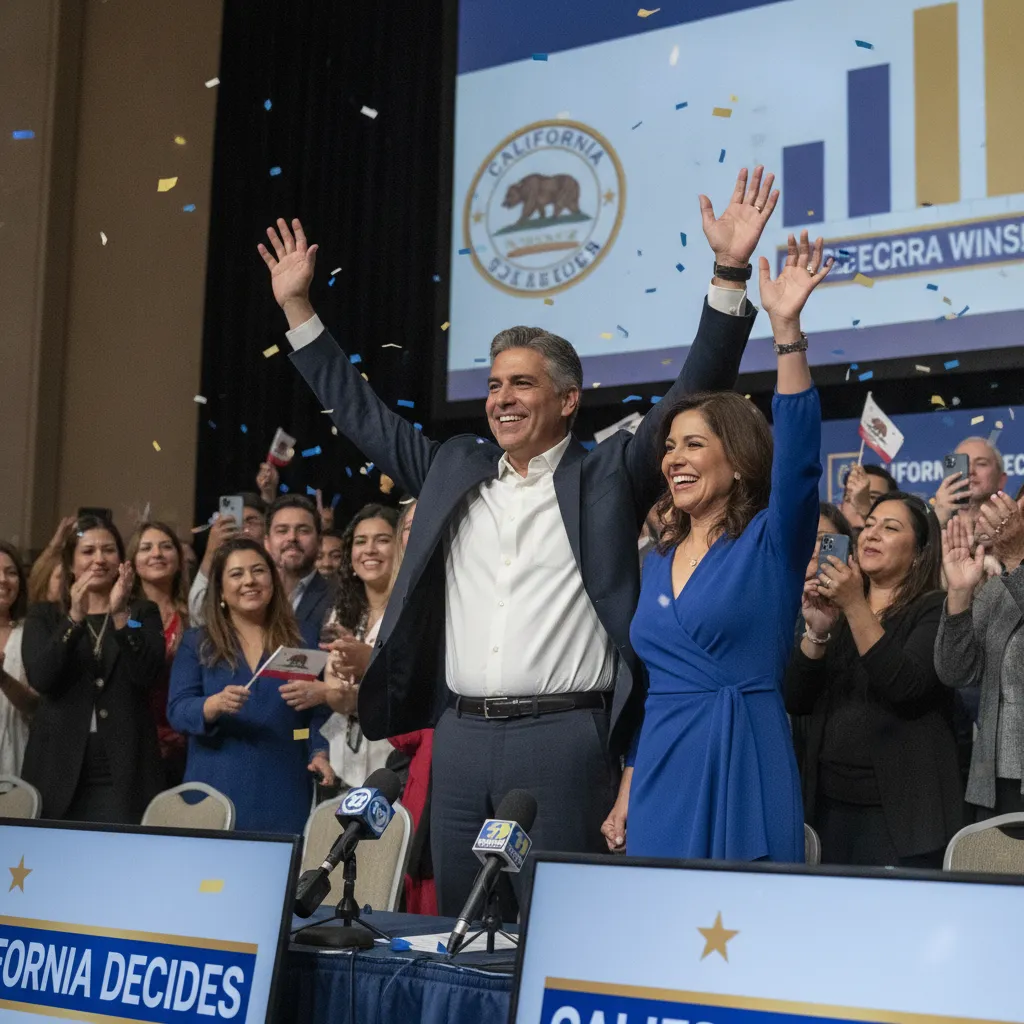
Becerra Makes History as California Elects First Latino Governor in Over a Century
California has entered a new political chapter following the victory of Democrat Xavier Becerra, who defeated Republican challenger…

Money Cannot Buy Texas as Talarico Breaks Three Decade Democratic Drought
In a result that sent shockwaves through the American political landscape, James Talarico has claimed victory in the…
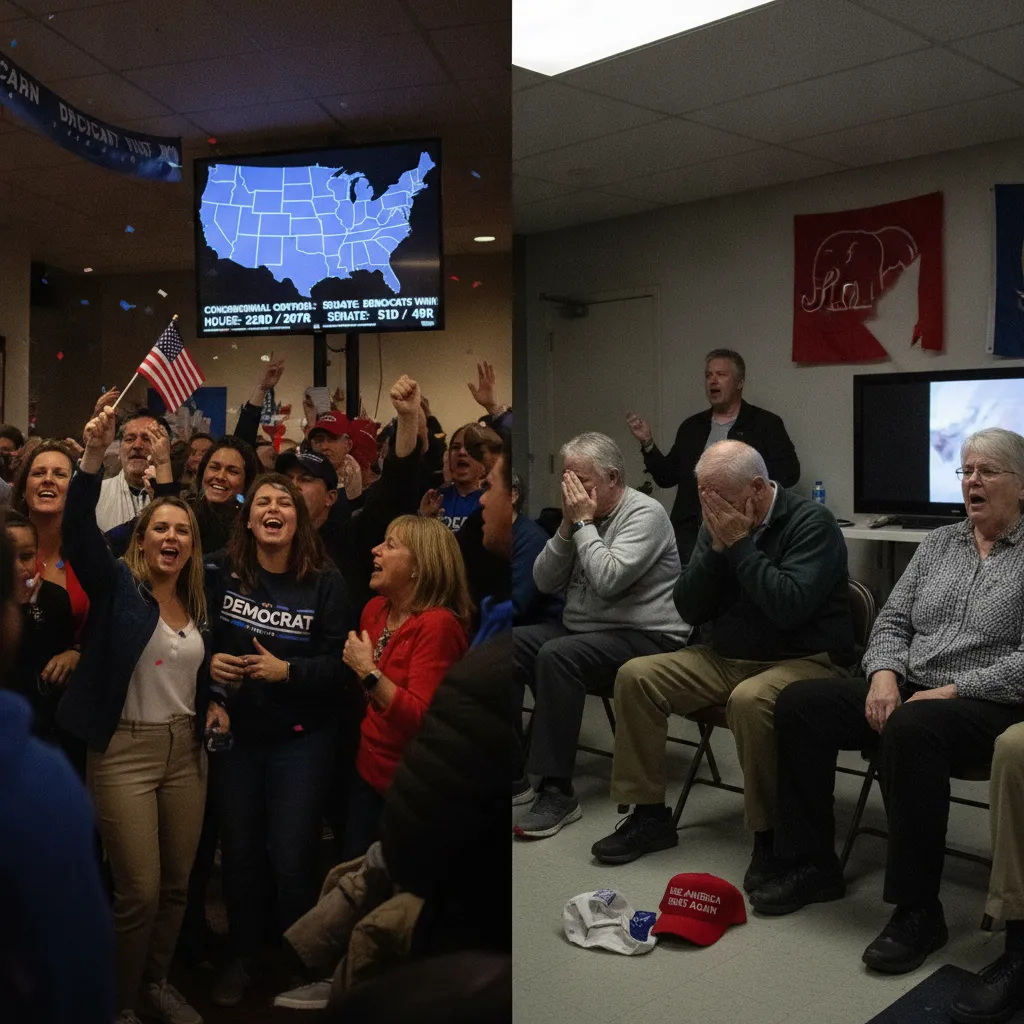
A Nation Divided As Democrats Seize Congressional Control
Across the United States, the atmosphere is a volatile mix of triumph and trepidation following a historic political…

Blue Wave Sweeps Capitol Hill as Democrats Seize House Majority
In a stunning reversal of political fortunes, Democrats have captured control of the House of Representatives following a…