
Federal Raid on Rep. Ilhan Omar’s Home Sparks Election Interference Outcry
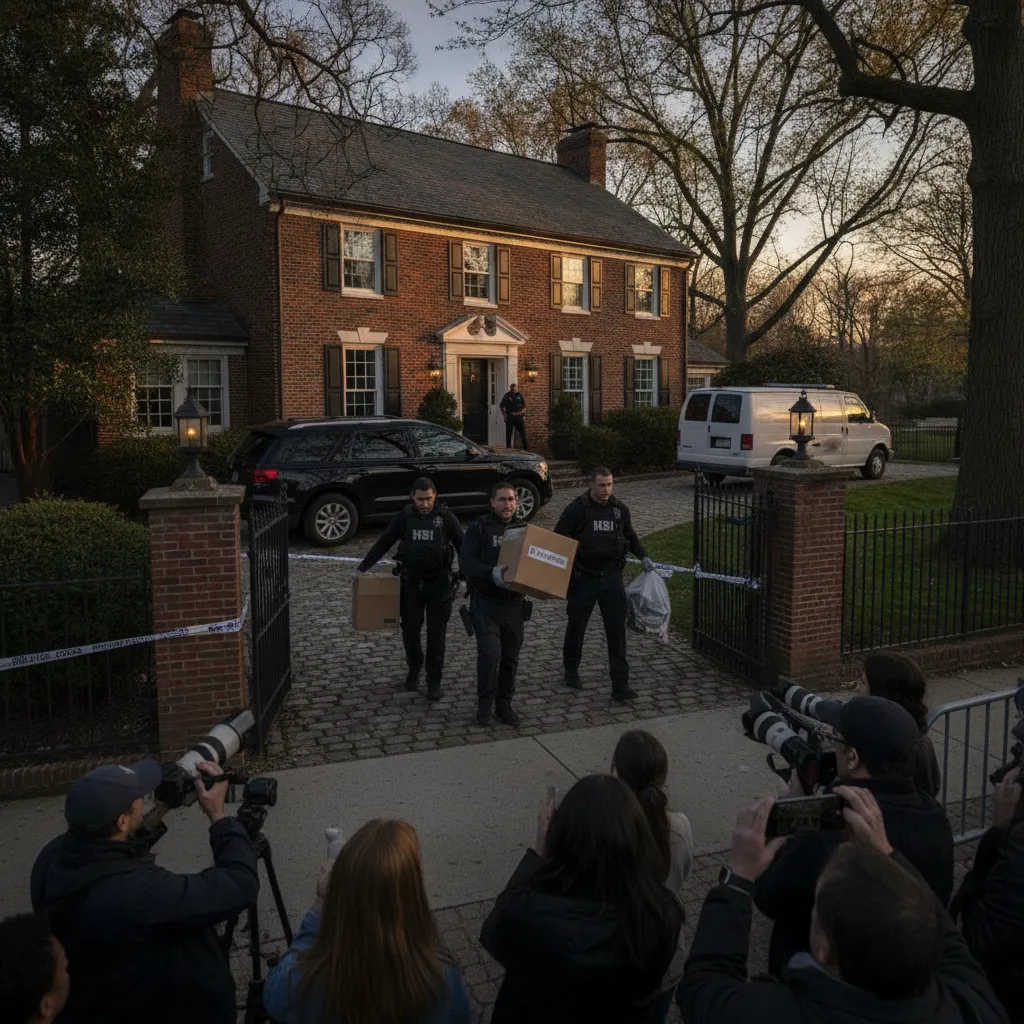
Federal authorities carried out a judicially authorized search of Representative Ilhan Omar’s Washington D.C. area residence on Monday, sending shockwaves through Capitol Hill just weeks before the November midterm elections. Agents from Homeland Security Investigations were seen removing boxes from the property as part of an ongoing criminal investigation, though the Justice Department has remained tight lipped regarding the specific nature of the probe. While reports suggest the inquiry may center on immigration paperwork filed by Omar’s late father during her childhood, official confirmation remains elusive.
Representative Omar quickly condemned the operation on social media, framing the raid as a calculated effort to weaponize federal law enforcement against political dissidents. She characterized the move as an escalation of a decade long campaign of intimidation led by President Donald Trump, asserting that she would not be silenced by such tactics. Her communications director echoed these sentiments, calling the raid an outrageous abuse of power and maintaining that the congresswoman has committed no wrongdoing.
President Trump dismissed these claims during a press conference on Monday, denying any involvement in the Justice Department’s actions while continuing his pattern of sharp rhetoric toward the Somali born lawmaker. He described Omar as a terrible person and questioned her relationship with the U.S. Constitution, adding to a history of comments suggesting she should be deported despite her role as a sitting member of Congress. Some Republicans joined in celebrating the search, arguing that nobody is above the law and emphasizing a need for accountability.
The timing of the raid has drawn fierce criticism from Democratic leadership and Minnesota officials, including Governor Tim Walz and Senator Tina Smith, who labeled it a transparent attempt to interfere in an upcoming election. Critics pointed to longtime Justice Department policies designed to avoid high profile enforcement actions immediately preceding voters heading to the polls. With midterms looming and control of Congress at stake, many view this development as part of a broader trend of targeting minority representatives within the government.
Related Stories
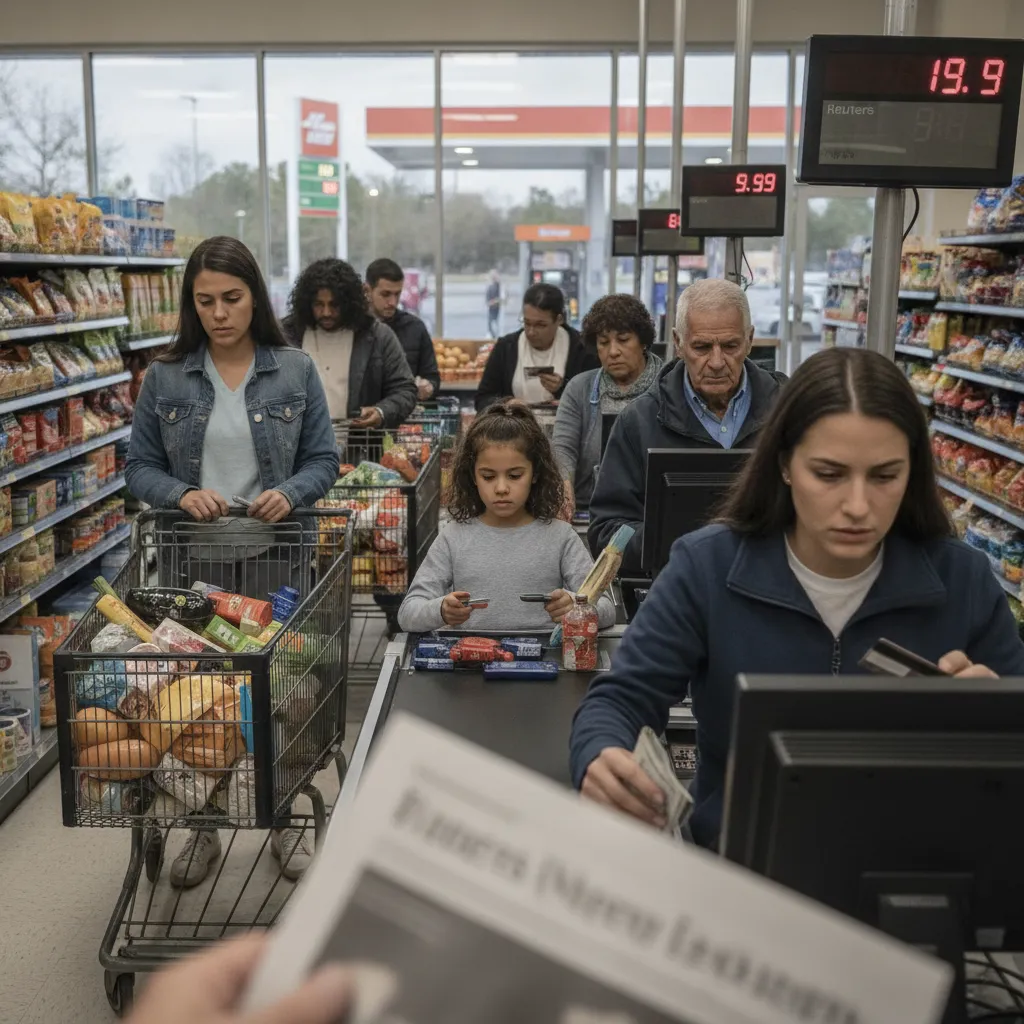
The Affordability Trap Facing a Potential Democratic Victory
Democratic candidates are currently finding success on the campaign trail by tapping into the widespread frustration surrounding the…

Intelligence Chief Warns Against Leting Foreign Interference Divide Britain
Ken McCallum, the head of MI5, has confirmed that Russia attempted to meddle in the 2016 Brexit referendum…

Billionaire’s Pivot: Elon Musk Becomes Top GOP Donor Ahead of Midterms
Elon Musk once claimed he wanted to stay as far away from the political fray as possible, but…
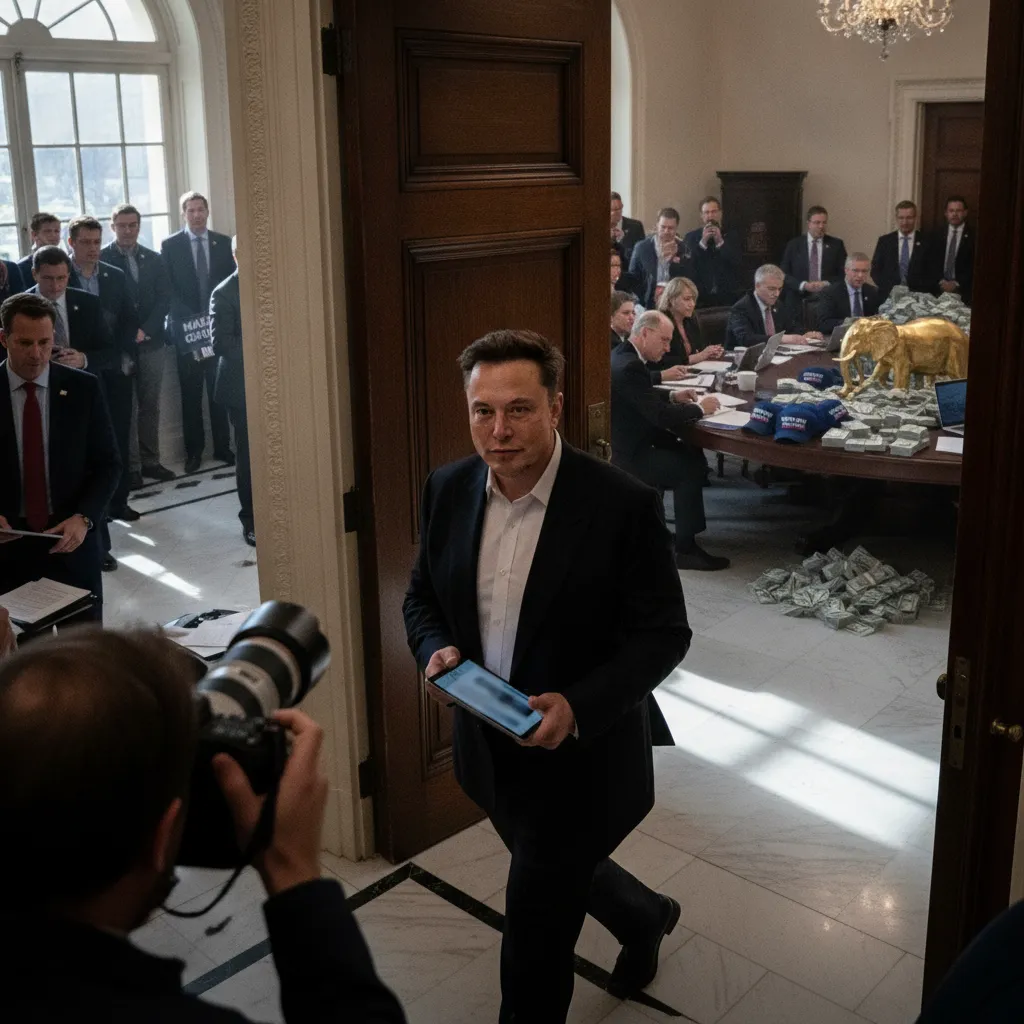
Tech Mogul Pours Hundreds of Millions Into GOP Bid For Congressional Hold
Elon Musk has emerged as perhaps the most influential financial force in the current midterm election cycle, pouring…