
The Aesthetics of Power in the Digital Age
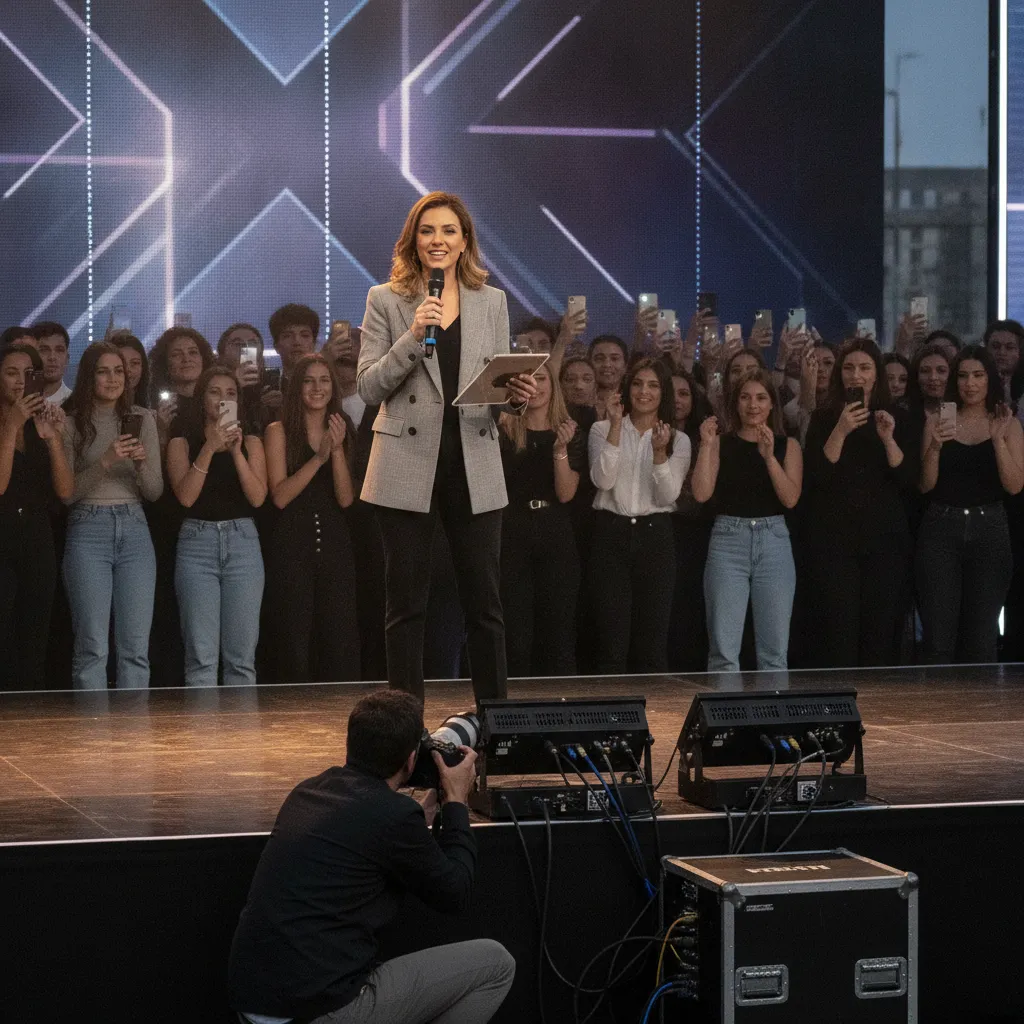
Political historians often point to the 1960 election as the moment aesthetics began to outweigh arguments. While radio listeners believed Richard Nixon had won the first televised debate, TV viewers were captivated by John F. Kennedy’s tanned, rested composure compared to Nixon’s pale and clammy demeanor. Decades later, that superficial edge has evolved into a full scale cultural shift. We have entered an era defined by a new generation of visually striking politicians, ranging from the polished look of Senator Jon Ossoff and Pete Buttigieg to the rugged masculinity of Abdul El Sayed and Chi Osse.
This trend signals more than just a preference for symmetry; it reflects a broader generational handover from aging Boomers to energetic Millennials. According to political strategist Steve Grand, voters aren’t necessarily seeking classical beauty but rather the vitality that youth and fitness communicate. A sharp appearance suggests competence and vigor, offering a stark contrast to leaders who appear frail or disconnected. However, experts like digital strategist Lauren Kapp argue that while looks provide a helpful boost, they cannot replace substantive policy discussions in an electorate focused on core issues.
The rise of social media has accelerated this visual competition, turning every public appearance into a potential viral moment. From candidates leveraging their modeling backgrounds to stylists ensuring garments dont distract from the message, there is a calculated science behind these images. Stylist Bailey Moon emphasizes that modern grooming must support the candidate without creating accidental scandals like Barack Obamas infamous tan suit incident. Yet this gaze remains unevenly distributed, as female politicians continue to face far harsher scrutiny regarding their wardrobes and aging processes than their male colleagues.
There is a tipping point where polish becomes a liability, however. Too much sheen can make a politician seem slick or untrustworthy, a trap Governor Gavin Newsom sometimes flirts with when his presentation feels overly manicured. Ultimately, while being camera ready is essential for surviving in a landscape dominated by ten second clips and algorithmic feeds, looks remain secondary to strategy. Being handsome might be a welcome bonus that opens doors, but winning an election still requires flooding the zone with ideas that resonate beyond the surface level.
Related Stories
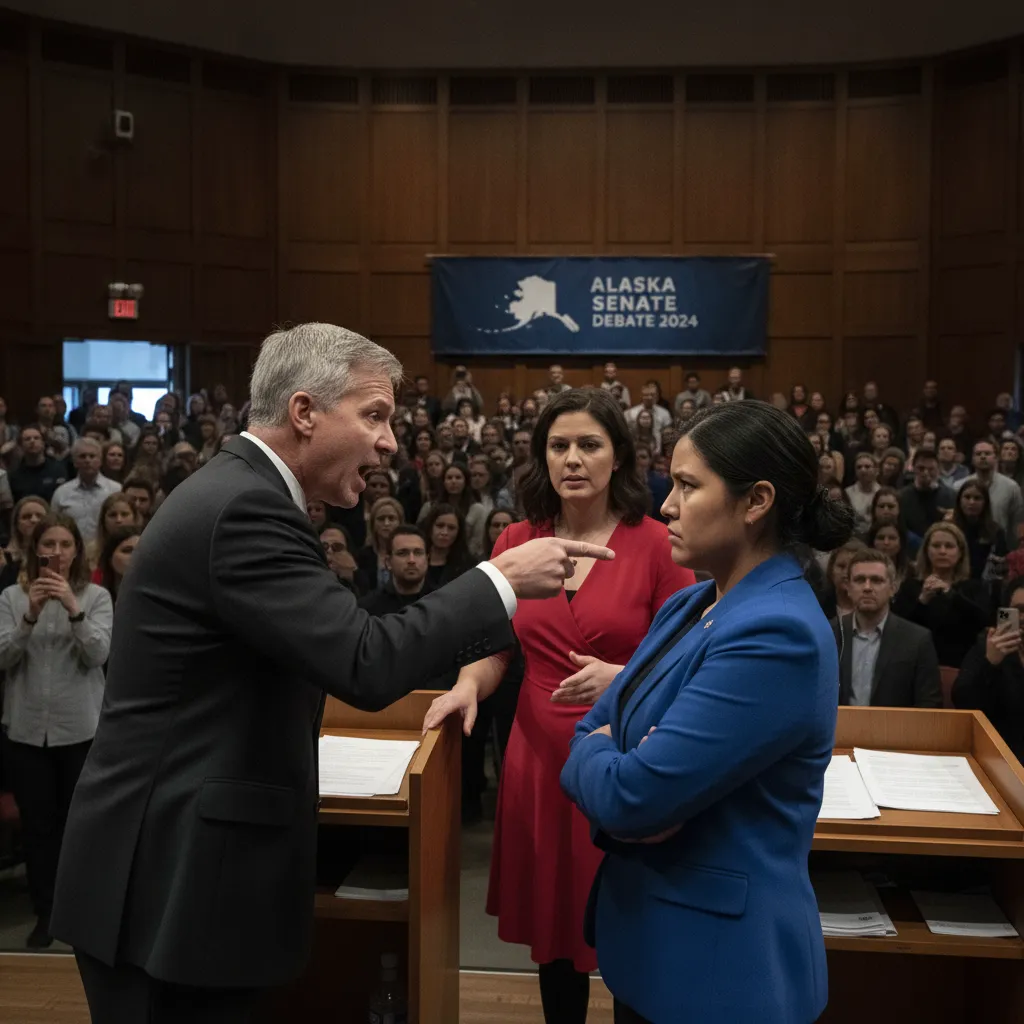
Personal Attacks Take Center Stage in High Stakes Alaska Senate Clash
The tension was palpable during the recent Senate debate in Alaska, where incumbent Republican Senator Dan Sullivan and…
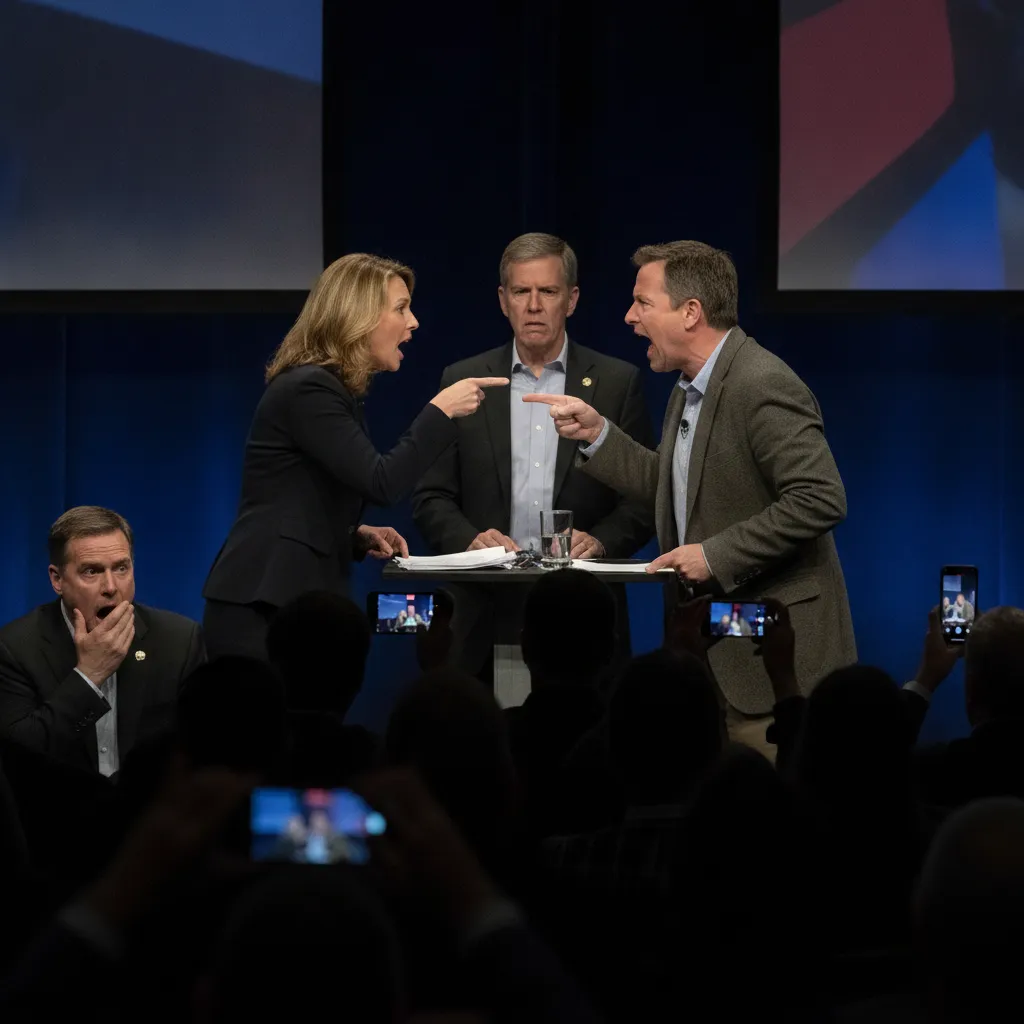
Personal Attacks Take Center Stage in High Stakes Senate Battles
Senate races in Alaska and Maine descended into raw, emotional confrontations Thursday night as candidates abandoned traditional policy…
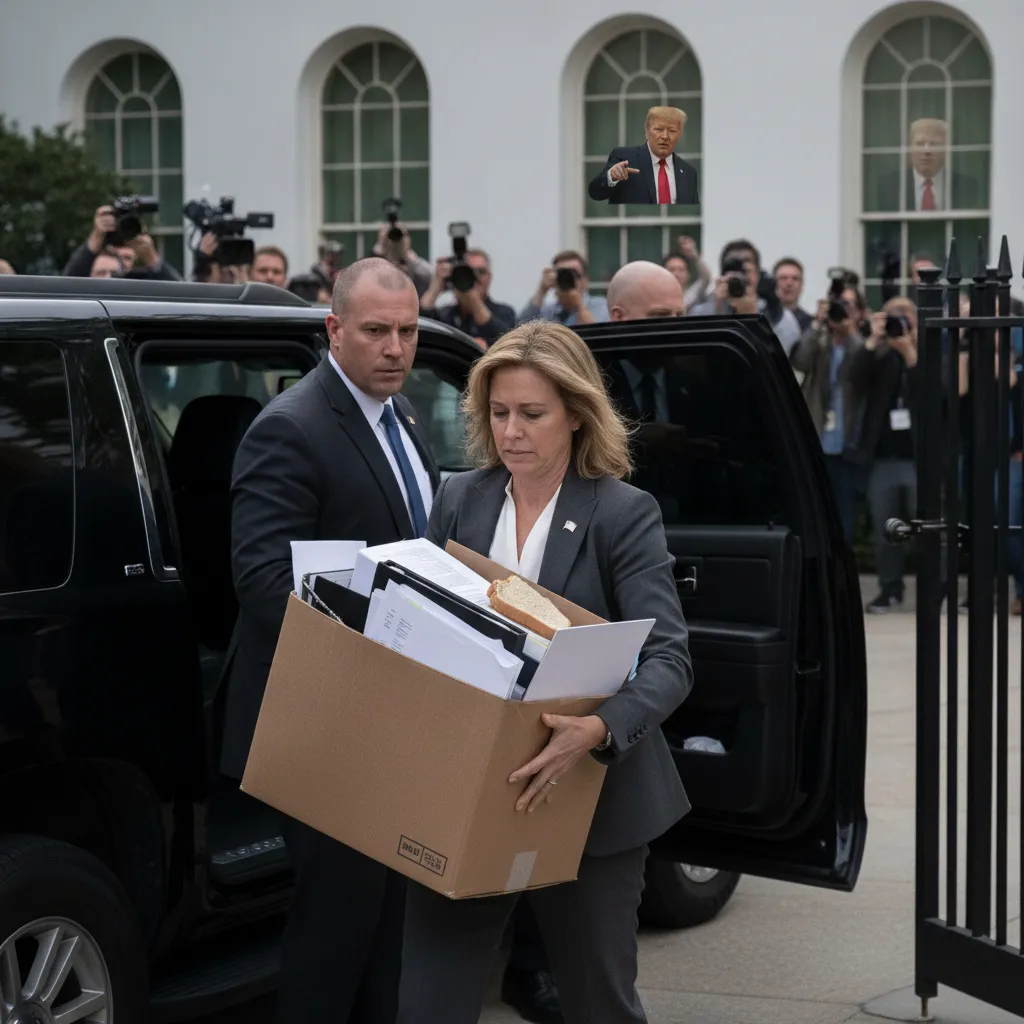
Five Day Flop Ends in Sudden Exit for Trump Press Secretary
The revolving door of the White House has claimed its fastest victim yet as Katie Zacharia was dismissed…
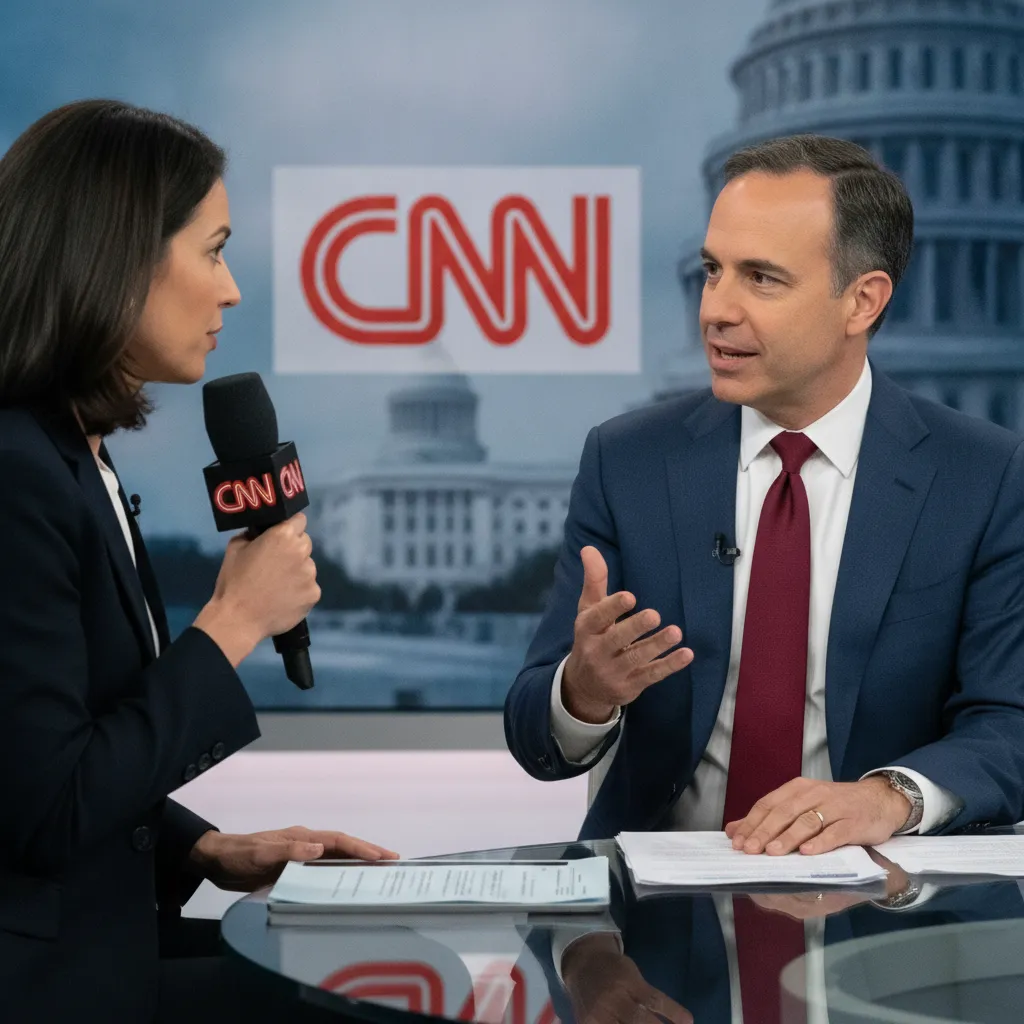
Future Ambitions and Political Friction Define Current Washington Landscape
Former Transportation Secretary Pete Buttigieg recently sat down with Kasie Hunt on CNN to share his perspectives on…