
Gravity Defied in Texas as Musk Unveils Thruster Powered Roadster
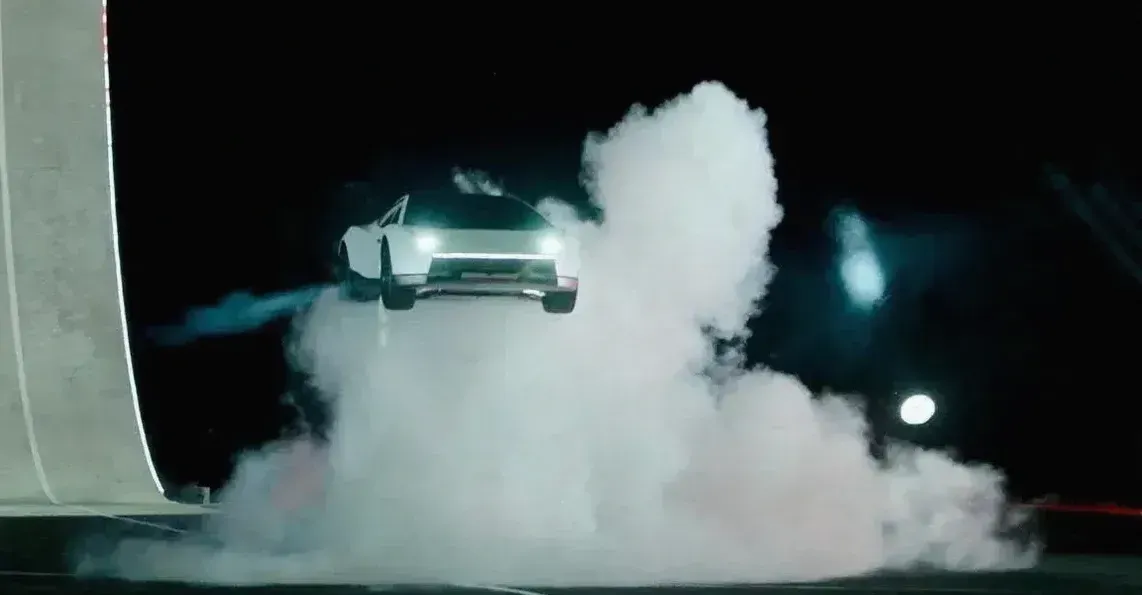
Elon Musk has once again blurred the line between automotive engineering and aerospace technology, unveiling a version of the long awaited Tesla Roadster that can actually take flight. During a livestreamed demonstration at a SpaceX facility in Waco, Texas, the vehicle performed a gravity defying stunt, launching from a curved ramp that sent it momentarily upside down before it flipped 180 degrees in midair to land perfectly on its wheels. Using ultra high pressure gas boosters rather than traditional wings, Musk declared that flying cars are now a reality, though he candidly admitted that success is not yet guaranteed.
The project serves as a tangible marriage between Tesla and SpaceX, utilizing propulsion and pressure vessel hardware developed by the rocket company to push the sports car into the sky. While the standard Roadster remains available for reservation with a five thousand dollar deposit, the full flight system will be restricted to an invitation only Rocket model. Production is slated for 2028, although Tesla has already noted on its website that the flying variant is not currently approved for public road use.
Despite the spectacle, the announcement has left regulators in a state of confusion regarding who actually oversees such a machine. The Federal Aviation Administration stated that the vehicle does not fit their definition of an aircraft, while officials at the Department of Transportation expressed skepticism about its practical takeoff capabilities. This leaves a significant legal gray area between highway safety standards and aviation law that Tesla will need to navigate before these cars leave the test track.
Wall Street analysts suggest that while the flying Roadster won’t significantly impact Tesla’s bottom line or overall revenue due to limited production numbers, it serves a larger strategic purpose. By showcasing this level of extreme engineering just ahead of third quarter earnings reports, Musk is reinforcing his brand’s image as an innovator at the absolute ceiling of technology. For now, the vehicle exists less as a mass transit solution and more as a high profile proof of concept for what happens when a car company and a rocket firm share a blueprint.
Related Stories
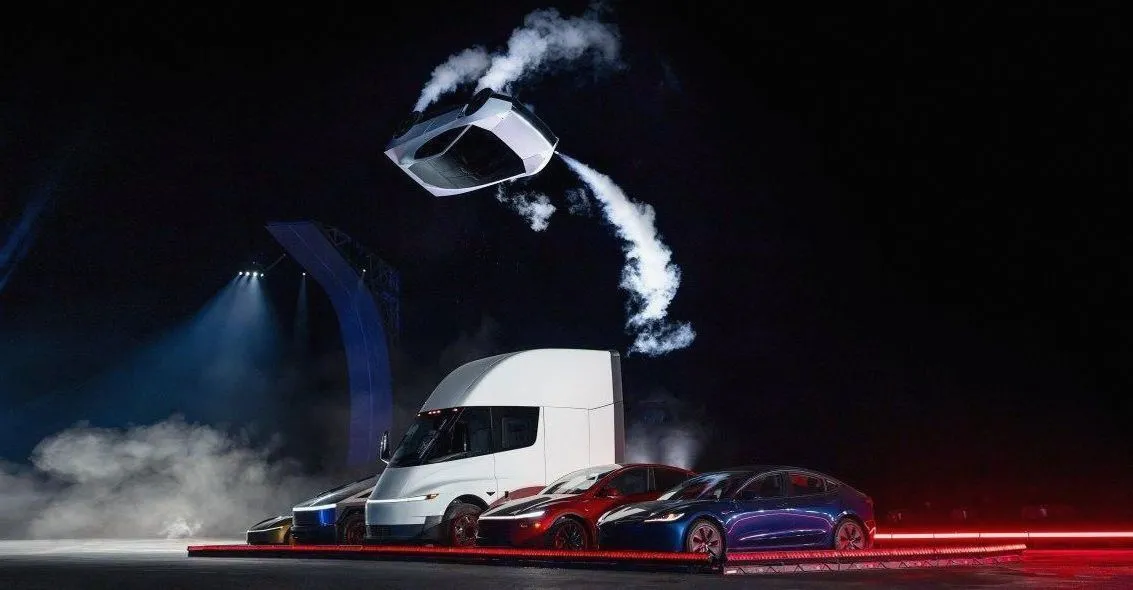
High Altitude Hype Over Practical Reality at Tesla’s Latest Stunt
Elon Musk delivered exactly the kind of spectacle his followers crave during a recent demonstration in Waco, Texas,…

Global Energy Markets Shudder as Geopolitical Chaos Drives Crude Toward Triple Digits
Global oil markets faced a volatile Friday as Brent crude touched the $110 mark for the first time…
Streaming Giant Shakes Up Leadership Amid Financial Pressure And Staff Cuts
Netflix is undergoing a dramatic transformation at the top following a turbulent week that began with the announcement…
A New Pairing For The Colonel As KFC Swaps Soda Giants
For nearly forty years, a bucket of KFC fried chicken has almost always been paired with a cold…