
Alaskan Voters Double Down on Nonpartisan Election Reform
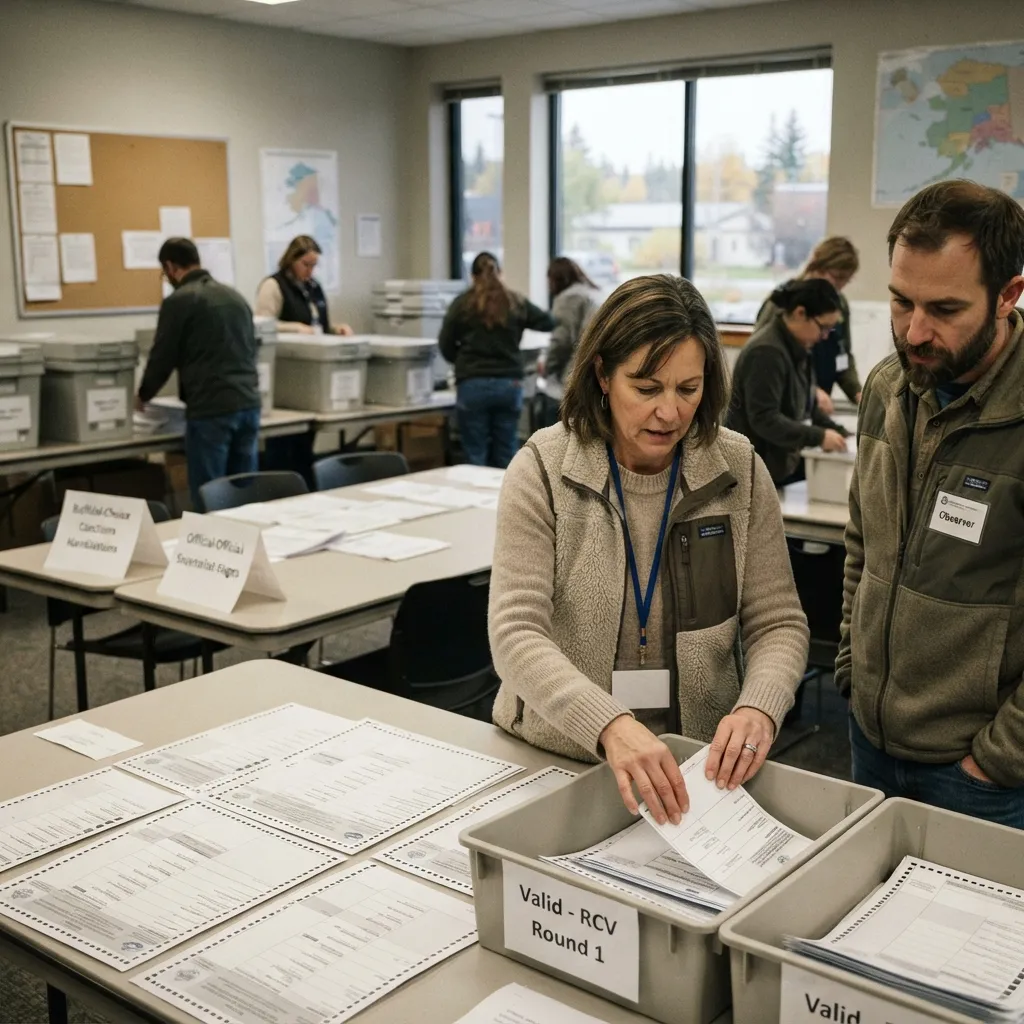
Alaska voters have once again signaled their support for the state’s unconventional electoral process by rejecting a ballot measure that sought to dismantle open primaries and ranked choice voting. This decision marks the second time in just two years that citizens have pushed back against efforts to return to traditional partisan primaries. Beyond the voting mechanics, the failed measure also attempted to roll back specific campaign disclosure rules designed to increase transparency regarding election spending.
Supporters of the current system argue that these reforms empower voters by offering more diverse choices and requiring candidates to appeal to a wider spectrum of the electorate rather than just the fringes of their own party. Many observers believe this shift has fostered a more moderate atmosphere within the state legislature, where bipartisan coalitions have become increasingly common. Ruth Hall, a spokesperson for the campaign opposing the repeal, noted that the result confirms Alaskans value the freedom to select qualified leaders regardless of their political label.
The push for repeal drew significant attention from high profile critics, including former President Donald Trump and billionaire Elon Musk, who argued that ranked choice voting is overly complex and confusing for the average voter. Despite this influence and funding, the movement could not sway enough residents to overturn a system that was first adopted in 2020 and implemented in 2022. Under these rules, all candidates share a single primary ballot, with the top four advancing to a general election where voters rank their preferences.
While some established political parties have tried to manipulate outcomes by pressuring lower ranking candidates to withdraw before the final vote, those tactics did not undermine public faith in the overall framework. For now, Alaska remains an outlier in American politics, maintaining an experimental approach to democracy that prioritizes broad consensus over strict party loyalty.
Related Stories

Power Shift in the West Wing as Stephen Miller Dismantles Old Guard
Stephen Miller has wasted no time in carving out a distinct and aggressive identity during his first week…

Satire Takes Center Stage in Latest Round of Political Commentary
The latest collection of political cartoons released for November 14 offers a biting look at the current state…
Confidence Over Competence In Air Traffic Crisis
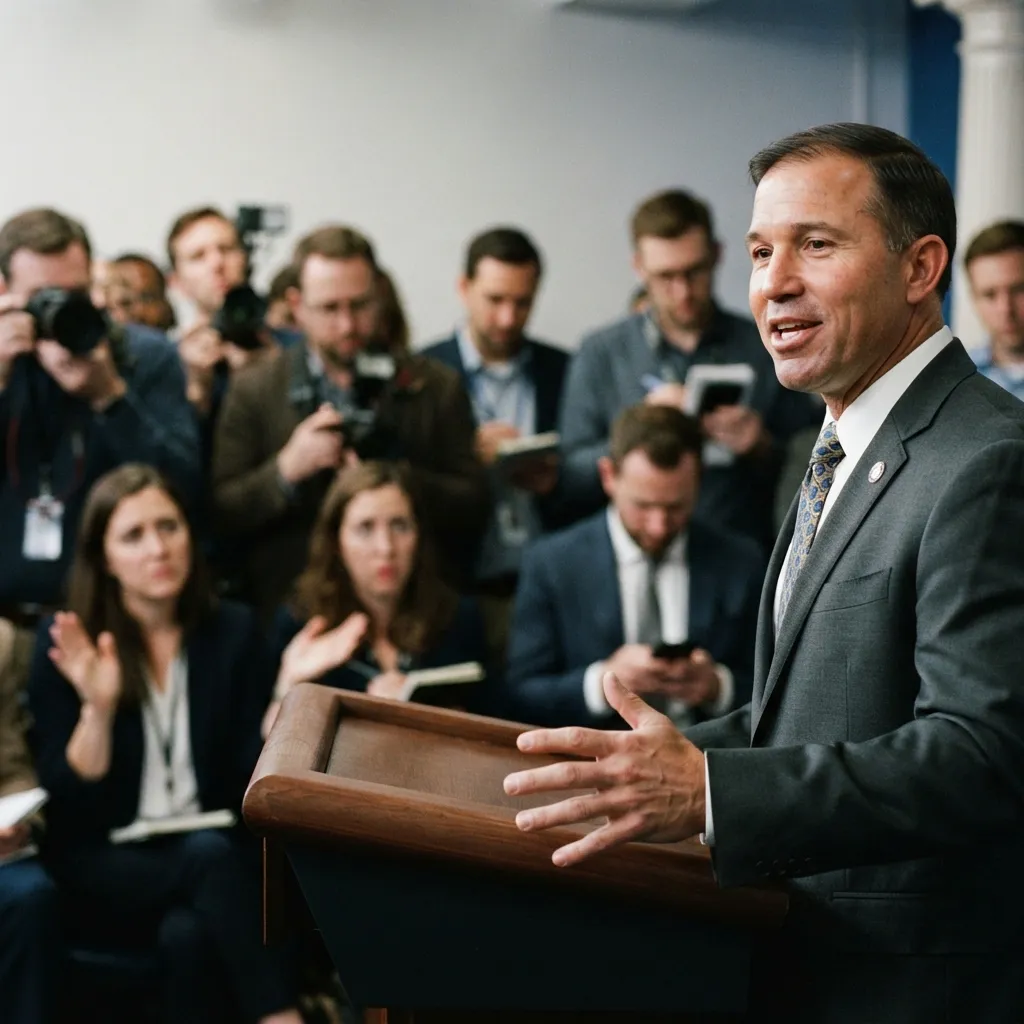
When Homeland Security Secretary Markwayne Mullin opened a White House press conference regarding the recent nationwide air traffic…
Biden Breaks Silence on Internal Party Pressure in New Memoir
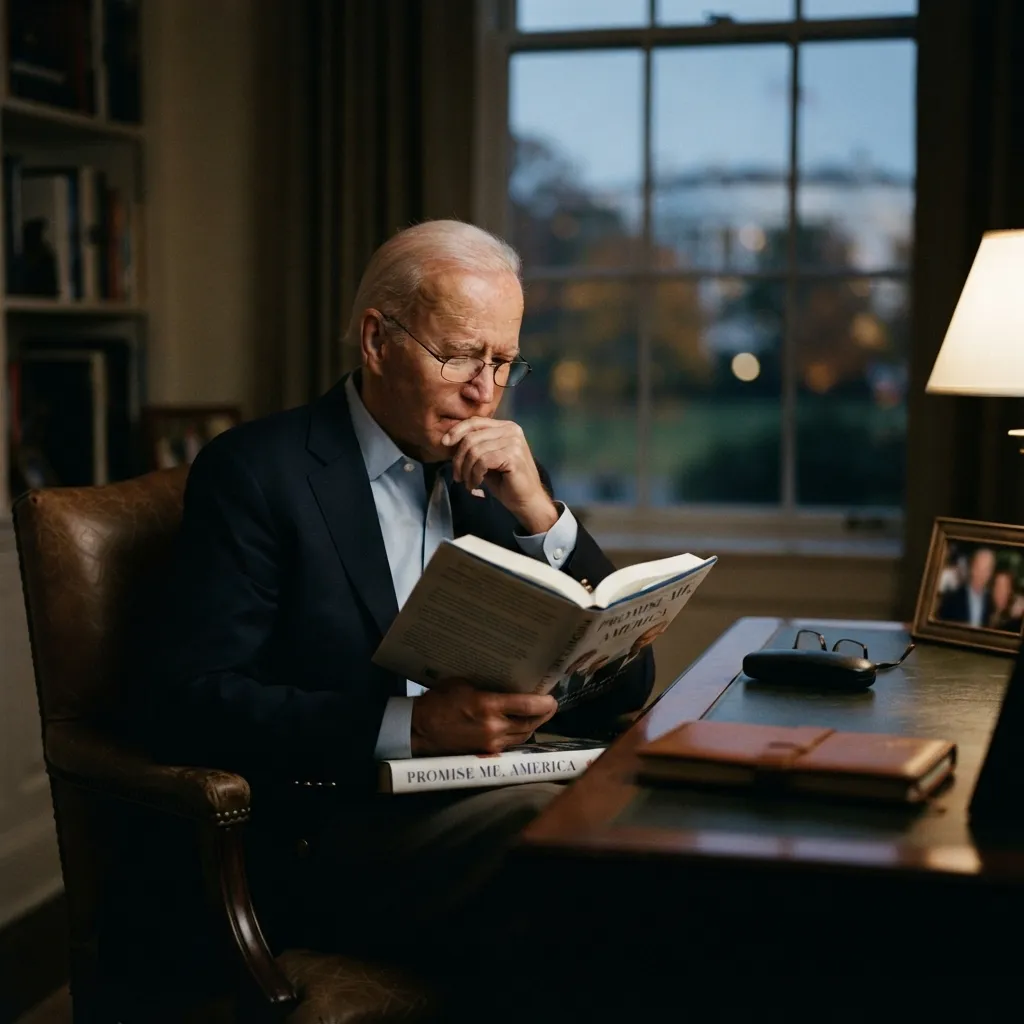
Former President Joe Biden is using his latest literary venture to settle some scores and provide a candid…