
Midterm Maneuvers Mask Real Progress in Final Senate Session
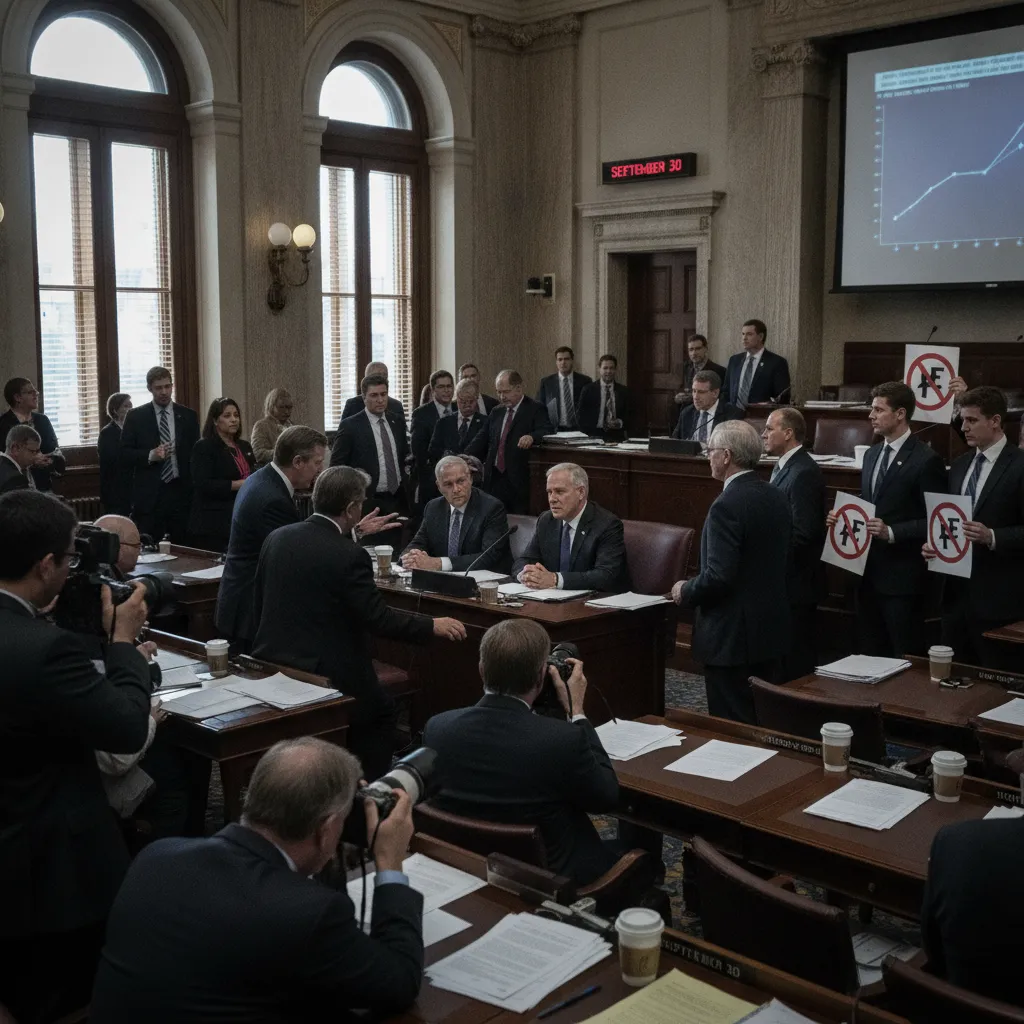
On the surface, the Senate’s final gathering in late September looked like a standard legislative wrap up. There were confirmations to handle, hearings involving former special counsel Jack Smith, and discussions over college sports. However, anyone watching closely could see that the actual goal had very little to do with governance and everything to do with the upcoming midterms. Both parties spent the week engaged in a high stakes game of political theater, trading blows over bills they knew would never actually pass.
The primary battlefield was the Ratepayer Protection Act, a proposal aimed at curbing rising utility costs linked to the explosion of AI data centers. Republicans framed it as a necessary shield for consumers against corporate greed, but Democrats dismissed it as a toothless charade designed solely for campaign commercials. Senator Richard Blumenthal and others argued the bill lacked any real enforcement mechanism, essentially serving as a messaging tool rather than meaningful law.
Much of this friction centered on Senator Jon Husted of Ohio, whose seat is currently one of the most contested in the country. Because Husted had previously fostered data center growth as a state official, critics argue the bill was a calculated attempt to give him cover before he returns home to face voters. Even some within his own party admitted that while the vote might not solve every energy problem, it would certainly provide helpful ammunition for Husted’s reelection campaign ads.
As the session closed, it became clear that neither side was particularly interested in compromise; instead, they preferred to weaponize failure. By blocking GOP measures on data centers and lawmaker stock trades, Democrats created their own talking points about Republican inefficiency. Meanwhile, Republicans intend to frame those same blocks as proof that Democrats are indifferent to the cost of living. In the end, the Senate didn’t produce many results for Americans, but it provided plenty of material for twenty four hour news cycles and campaign flyers.
Related Stories
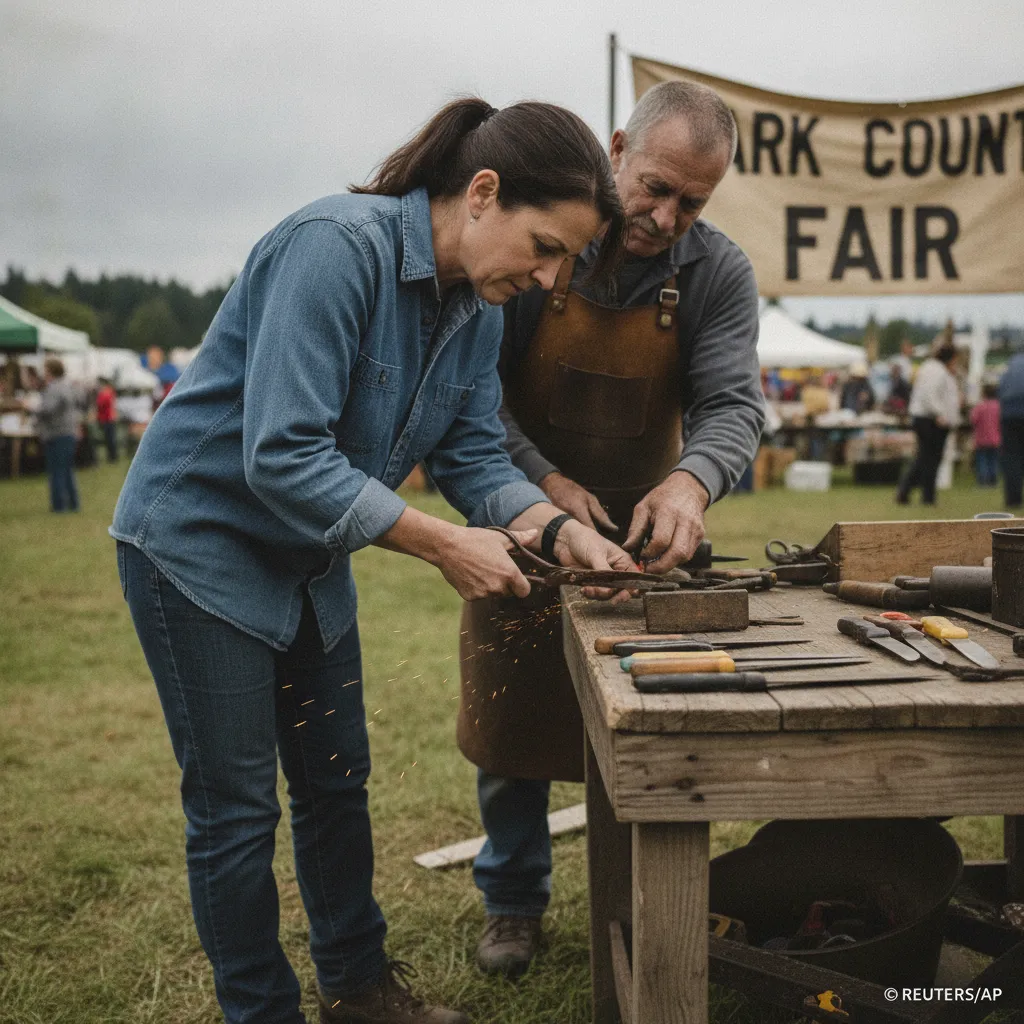
The Blue Collar Bridge: A Moderate Democrat’s High Stakes Gamble in Rural Washington
Representative Marie Gluesenkamp Perez spent a recent afternoon at a county fairgrounds south of Seattle, leaning over a…
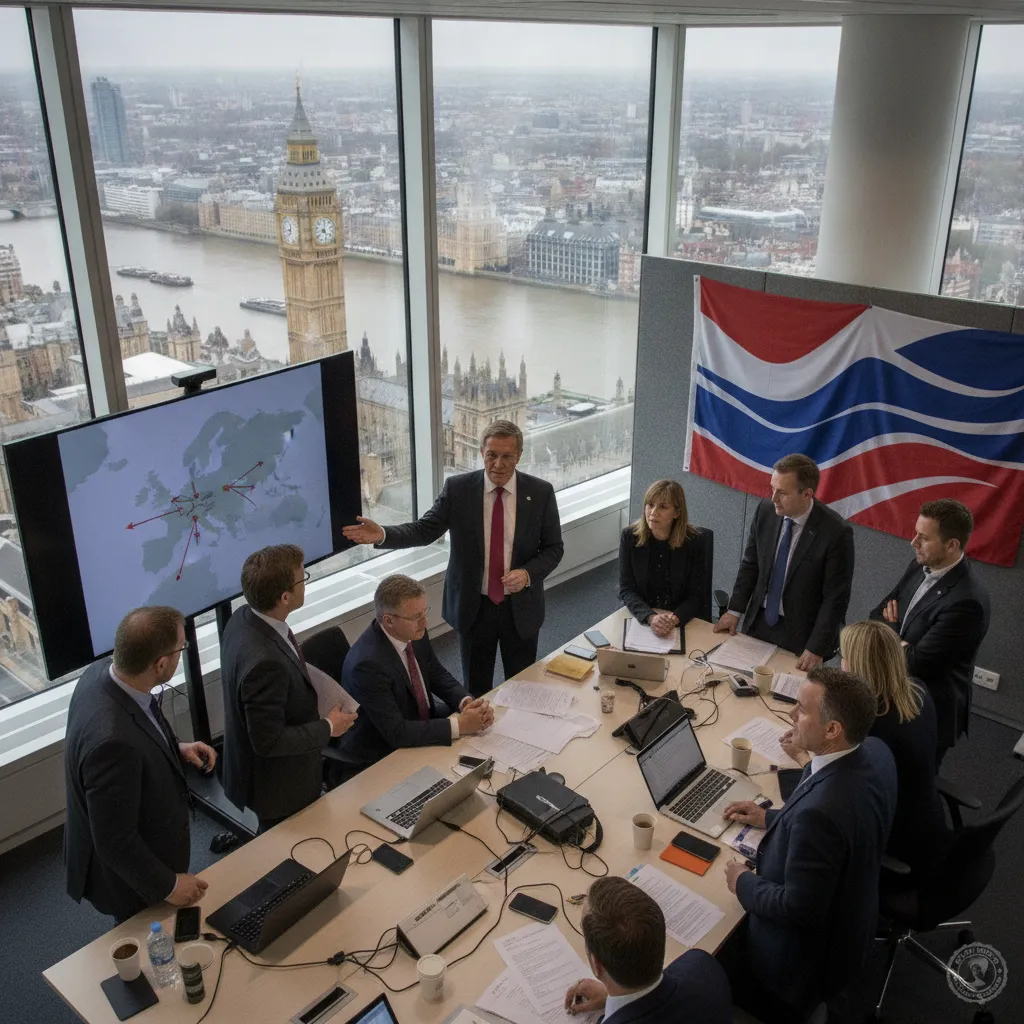
The Great Realignment Of The European Right
From the heights of London’s Millbank Tower, the shifting tides of British politics are physically visible. This skyscraper…
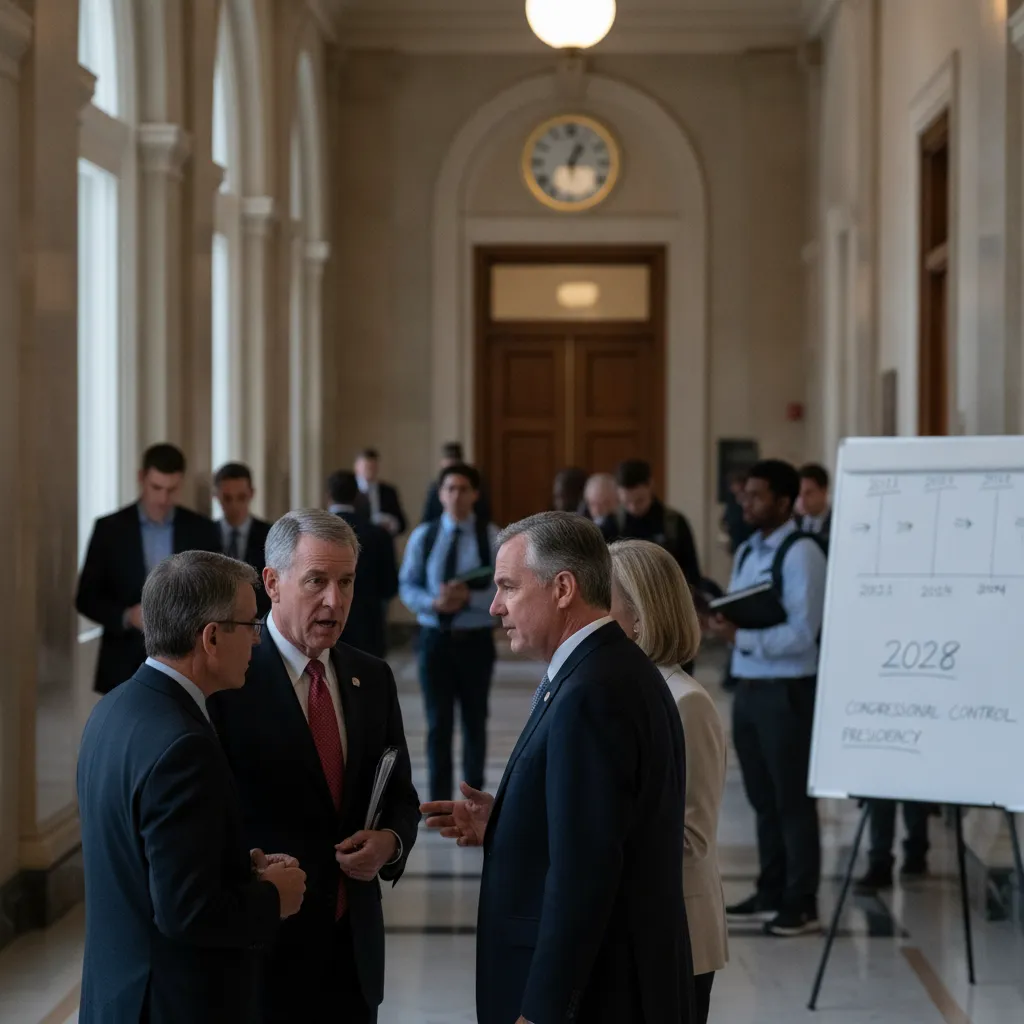
The Long Game of the Midterms and the Road to 2028
While much of the current political conversation focuses on the immediate fallout of the upcoming midterms, the real…
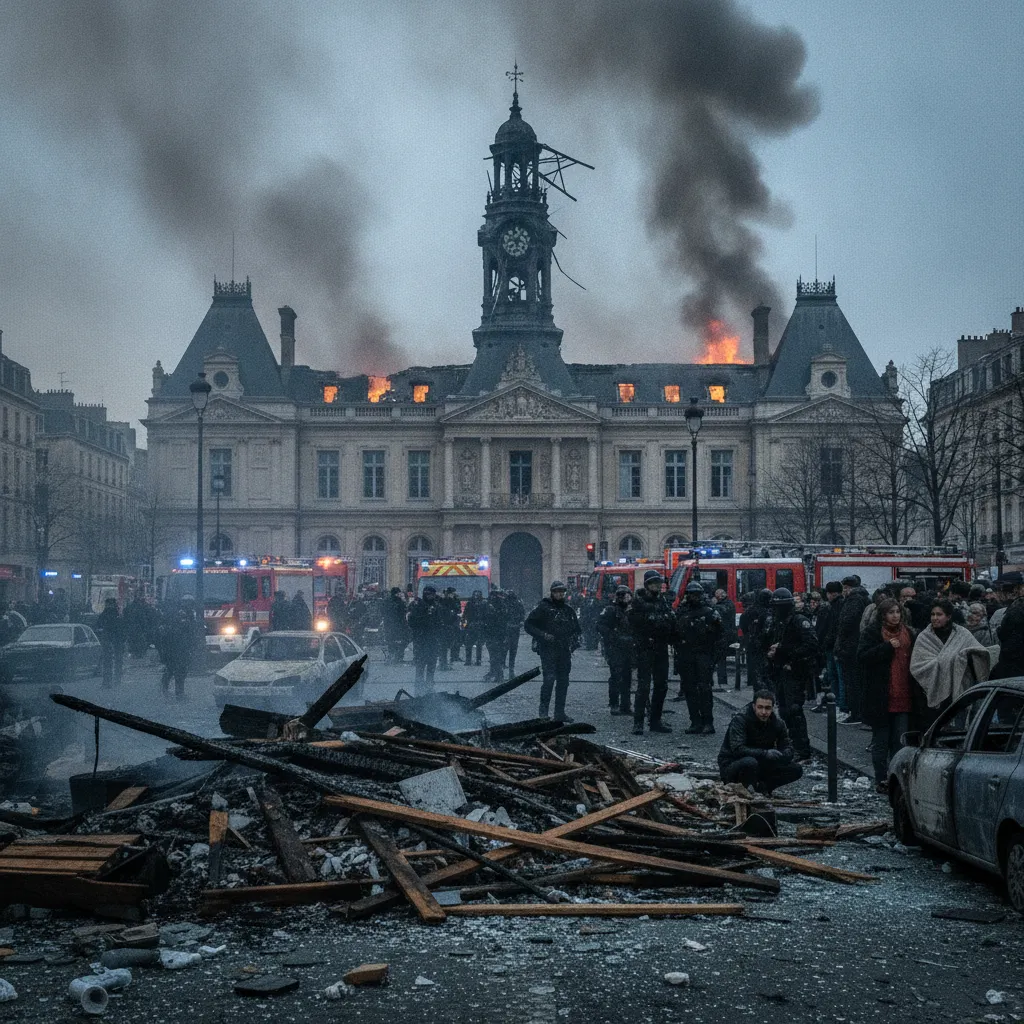
A Republic in Fragments: Fire and Fiscal Fear Grip France
French Prime Minister Sebastien Lecornu admitted on Monday that the nation is facing a complete mess, though many…