
The Great Realignment Of The European Right
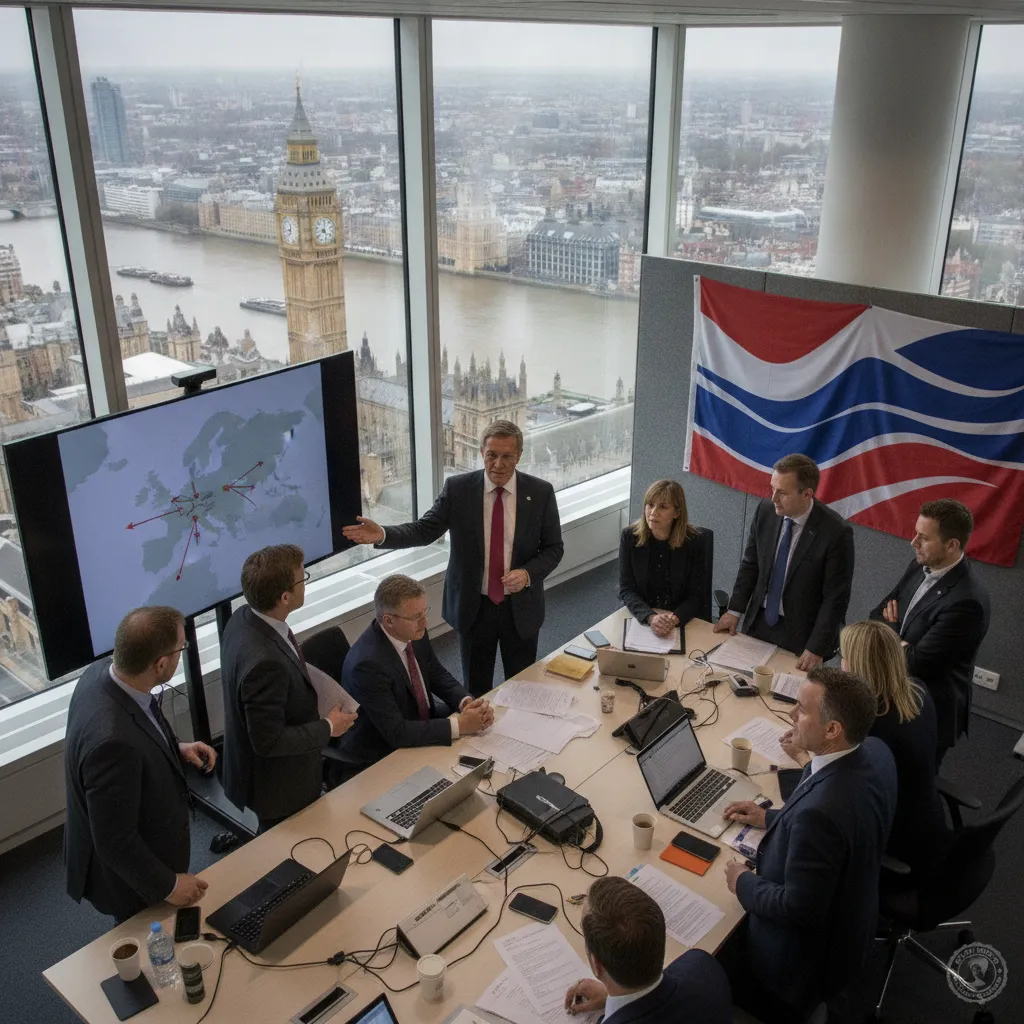
From the heights of London’s Millbank Tower, the shifting tides of British politics are physically visible. This skyscraper once served as the bastion of the Conservative Party, but today it houses Reform UK, the populist movement led by Nigel Farage. This transition is more than just a change of address; it symbolizes a broader seismic shift occurring across Europe’s largest democracies. From France, where Marine Le Pen’s National Rally is gaining unprecedented ground, to Germany, where the AfD is challenging long-standing centrist norms, the traditional political establishment is facing an existential crisis.
This surge in populism is forcing legacy conservative parties into a difficult strategic corner. They must either pivot toward harder lines on immigration and national identity to stem the bleeding of their voter base or risk becoming irrelevant. Former British minister Steve Baker suggests that we are witnessing a fundamental realignment where identity and nationalism have replaced economics as the primary driver of political debate. With stagnant economic growth fueling deep frustrations with global institutions, many voters are seeking simple explanations for their hardships, often leading to increased hostility toward ethnic and cultural minorities.
In the United Kingdom, this struggle has evolved beyond mere policy disputes over border control and entered a volatile debate over nationality itself. While Reform UK capitalizes on anger over record migration levels, a deeper conflict has emerged regarding who qualifies as English. Current Conservative leader Kemi Badenoch has pushed back against ethno-nationalist definitions of citizenship, arguing against a vision of identity based solely on ancestry. However, voices like Baker warn that ignoring genuine anxieties about demographic changes in local communities allows these radical conversations to move further into the mainstream.
The instability extends even further rightward than previously imagined. Even as Reform UK navigates internal scandals and fluctuating polls, newer movements such as Restore Britain—backed by figures like Elon Musk—are emerging to claim that Farage is not aggressive enough on issues of Islam and national purity. Meanwhile, in Germany, the historical brandmauer or political firewall designed to keep extremists out of government is under immense pressure as nationalist sentiment grows. Across the continent, the old guard is discovering that once the door to identity politics opens wide, it becomes nearly impossible to close again.
Related Stories
Midterm Maneuvers Mask Real Progress in Final Senate Session
On the surface, the Senate’s final gathering in late September looked like a standard legislative wrap up. There…

The Blue Collar Bridge: A Moderate Democrat’s High Stakes Gamble in Rural Washington
Representative Marie Gluesenkamp Perez spent a recent afternoon at a county fairgrounds south of Seattle, leaning over a…

The Long Game of the Midterms and the Road to 2028
While much of the current political conversation focuses on the immediate fallout of the upcoming midterms, the real…

A Republic in Fragments: Fire and Fiscal Fear Grip France
French Prime Minister Sebastien Lecornu admitted on Monday that the nation is facing a complete mess, though many…