
Trump Ignites Controversy With Nuclear Claims During Alaska Campaign Stop
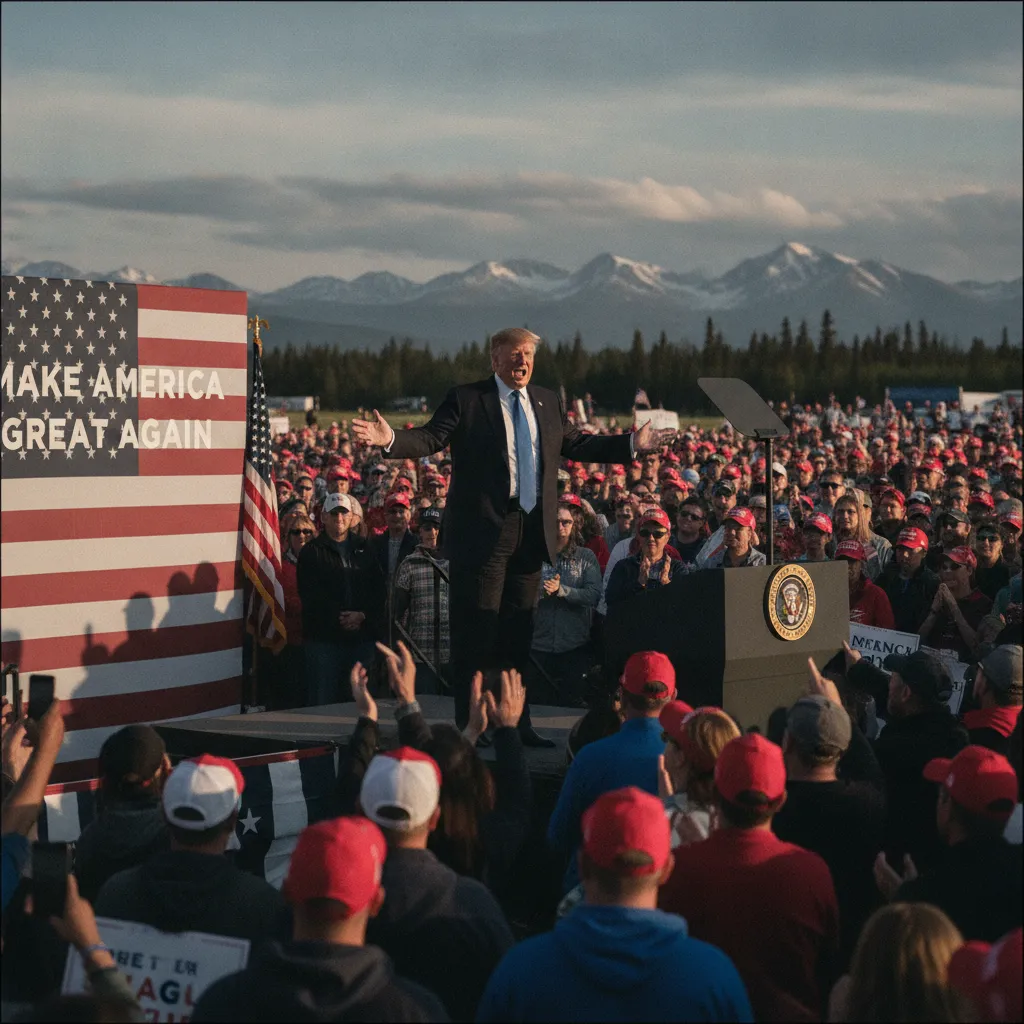
Donald Trump returned to his familiar playbook of sweeping boasts and disputed facts during a recent campaign rally in Wasilla, Alaska. Addressing a crowd of supporters, the president insisted that his decision to initiate conflict with Iran was driven by an urgent security threat, claiming the nation was only two weeks away from possessing a nuclear weapon. This assertion stands in direct contradiction to reports provided by U.S. intelligence agencies to Congress in 2025, which indicated that Iran had actually suspended its pursuit of such weaponry back in 2003.
The rhetoric comes as a justification for a series of aggressive military actions taken throughout 2025 and early 2026, beginning with the bombing of Iranian nuclear enrichment facilities and culminating in a full scale war. While Trump has maintained that these strikes obliterated the country’s nuclear capabilities, critics point to the discrepancy between his public warnings and the actual assessments delivered by the intelligence community prior to the escalation.
Beyond foreign policy, Trump spent a significant portion of the event railing against the media over economic pressures facing Americans. He recounted an anecdote involving a supposed confrontation with reporters just twenty four hours after taking office on January 20th, alleging he was interrogated about affordability and inflation immediately upon arrival. However, official transcripts from that first news conference tell a different story; rather than focusing on price hikes, journalists primarily questioned him regarding presidential pardons for those involved in the January 6 Capitol riots.
The Alaskan stop served as more than just a venue for grievance, as Trump concluded the evening by promising financial rewards and government favors should Republicans secure victory in upcoming elections. In a move that legal experts suggest may violate the Hatch Act, he brought his Federal Communications Chair onto the stage to promise millions in expanded high speed internet investments, blending official governance with partisan campaigning in front of an energized base.
Related Stories
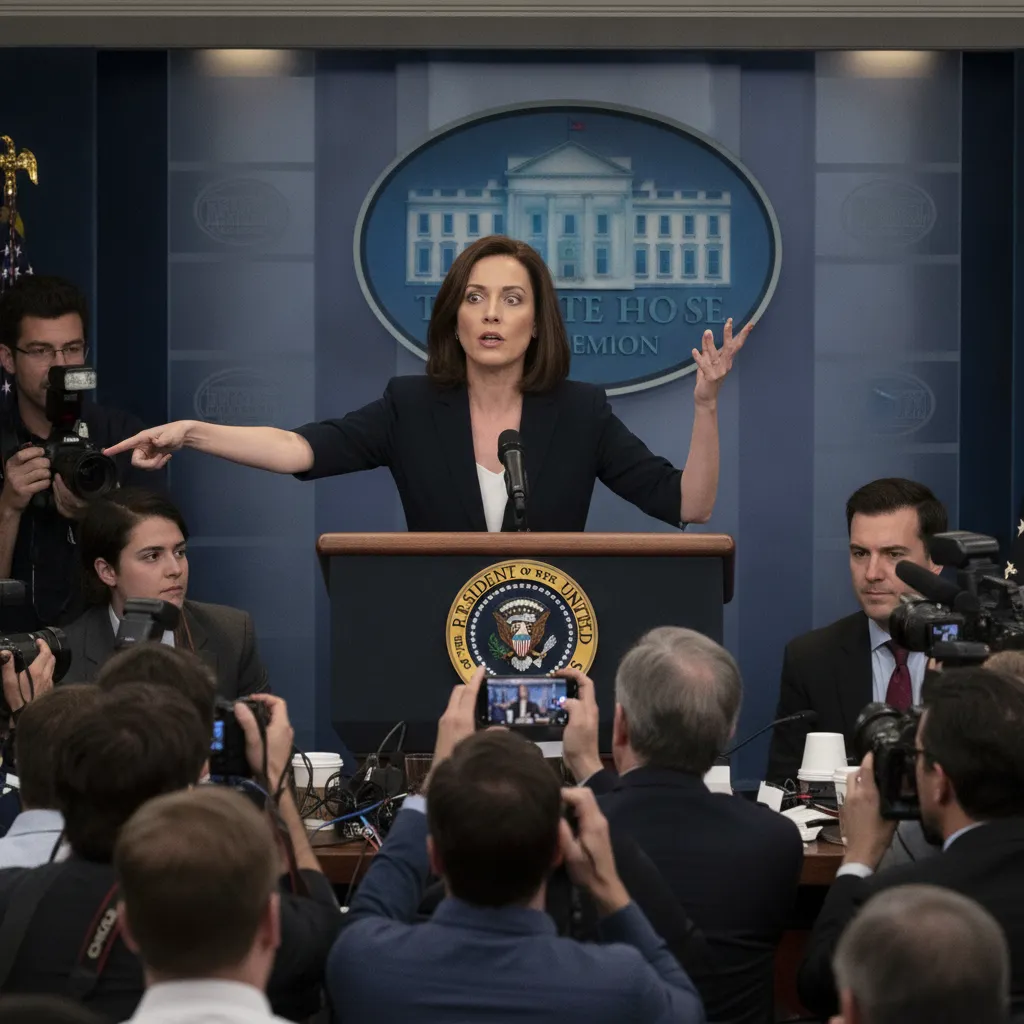
Glitches and Gaffes Mark Robotic Debut for New White House Press Secretary
The White House briefing room has seen its fair share of chaos over the years, but Tuesday felt…
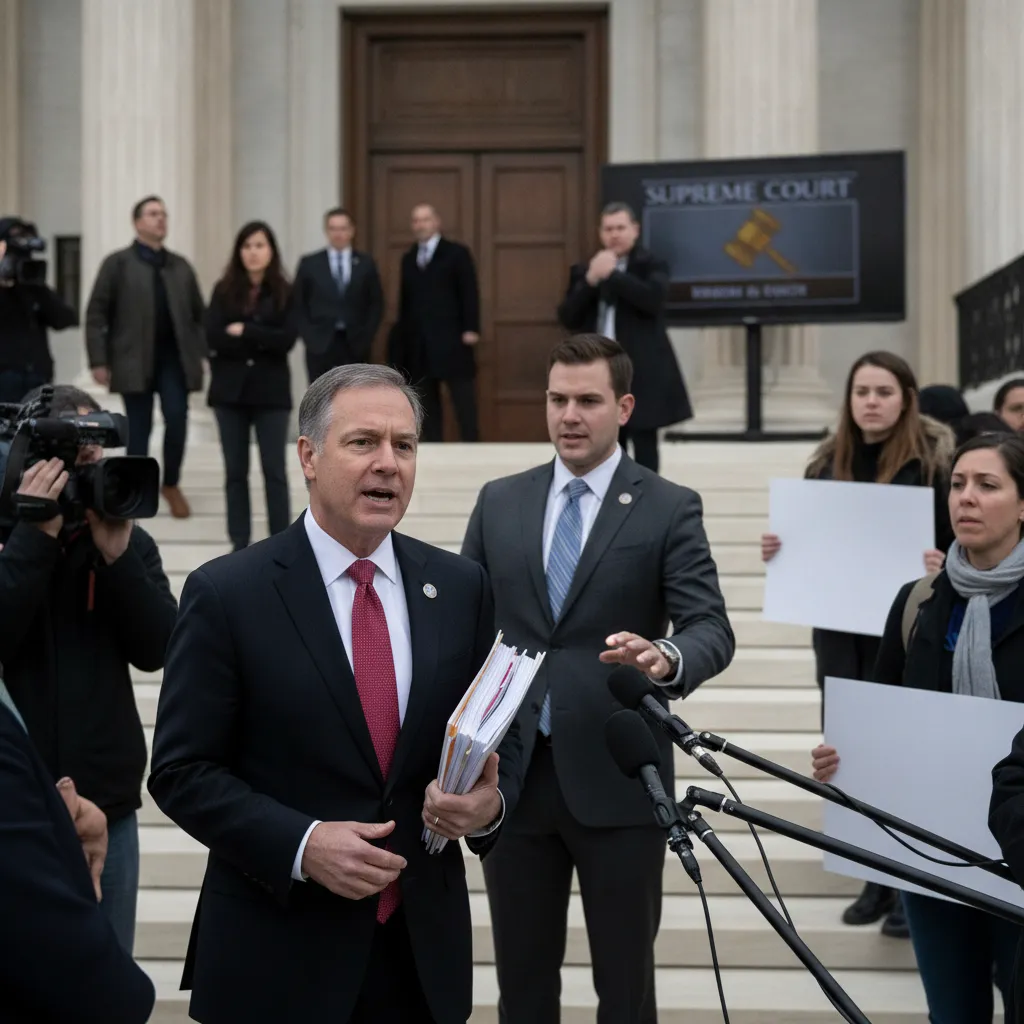
High Court Clears Path for GOP Ad Discounts Ahead of Midterms
The United States Supreme Court has once again intervened in a brewing battle over campaign finance, siding with…
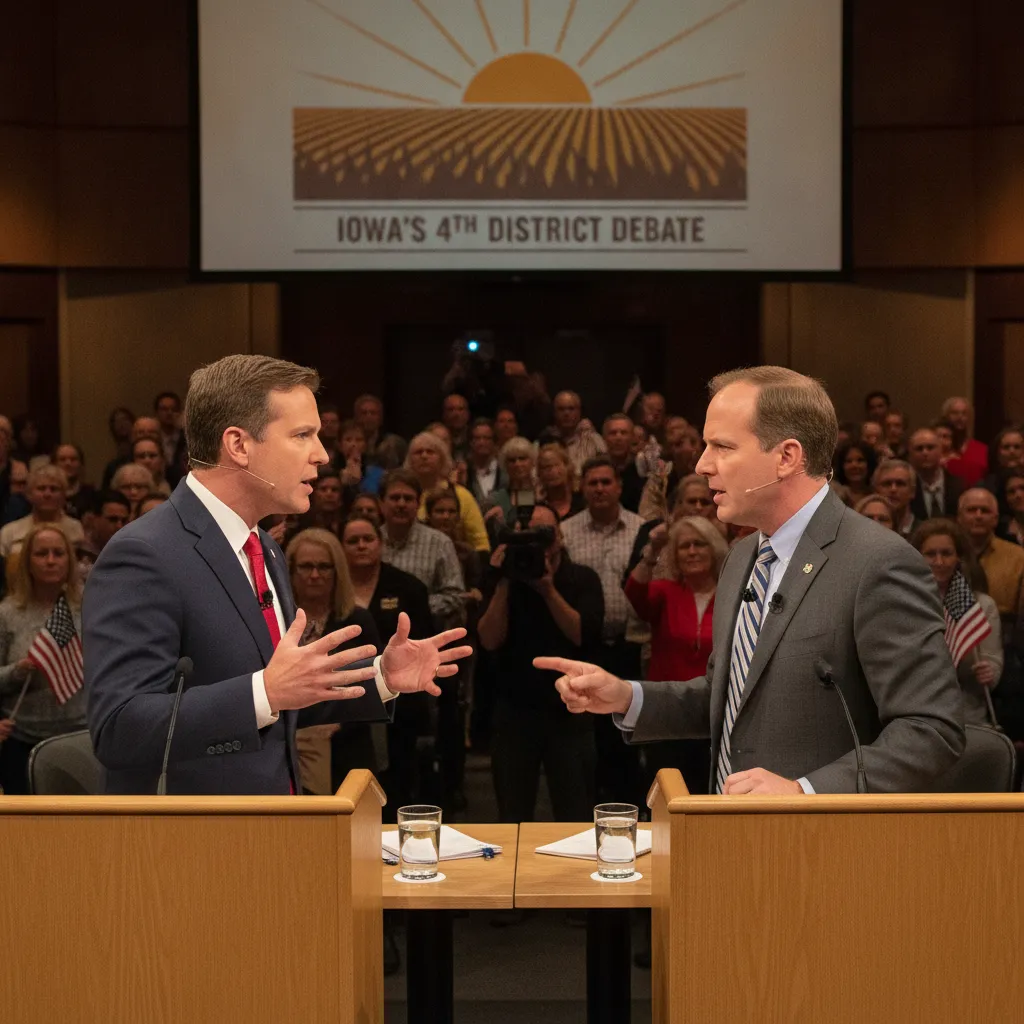
Battle for Iowa’s 4th District Heats Up With Head-to-Head Debate
Republican contender Chris McGowan and Democrat Dave Dawson are set to go head-to-head tonight in a highly anticipated…
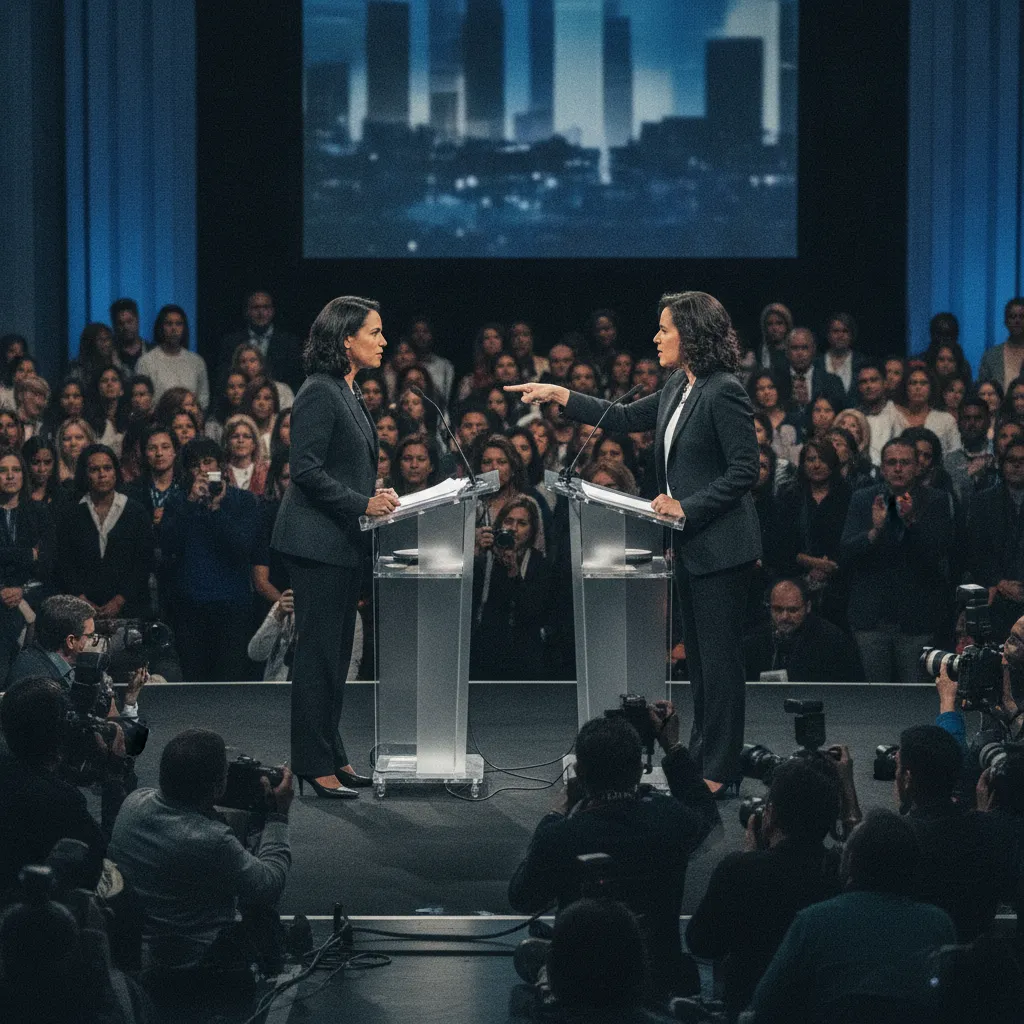
Final Showdown Sets Stage For Los Angeles Mayoral Vote
The race for the mayor of Los Angeles reached a fever pitch on Tuesday night as candidates Karen…