





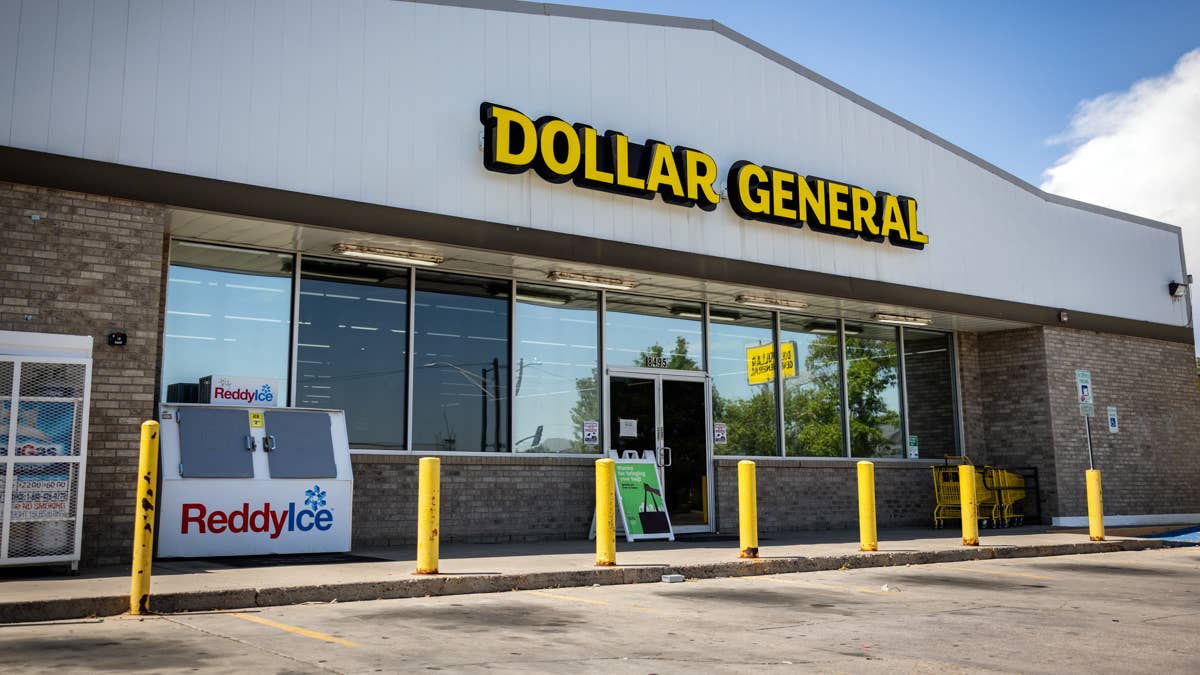
Things are incredibly rough when a six-figure income still leaves you hunting for bargains on everyday essentials.
Dollar General (DG) CEO Todd Vasos said this pressure is reaching shoppers earning $100,000 or more, extending beyond the chain’s traditional lower-income customers and raising questions about how much a familiar salary milestone offers financial breathing room.
The latest inflation report helps explain the context of that squeeze. Consumer prices rose 0.4% in August and 3.4% over the past year. Gasoline jumped 3.9% during the month, accounting for more than a third of the overall increase, according to the Bureau of Labor Statistics.
Those bumps arrive on top of prices that families were already struggling to absorb.
For Dollar General, bargain hunting among wealthier shoppers presents a business opportunity. For households, though, it raises a tougher concern about the gap between earning well and living comfortably.
Vasos’ observations about how customers change their shopping habits suggest that pressure is already influencing decisions well before they reach the checkout.
Six-figure earners are making bargain hunting a daily habit
Todd Vasos just dropped a hot take that shoppers earning $100,000 or more are increasingly treating discount shopping as routine.
At the Goldman Sachs conference, he relayed their frustration, explaining how these more affluent consumers report no longer feeling like high-income shoppers, as Fortune noted.
The company’s Q2 earnings call offered evidence of that shift.
More Economy:
- Kevin O’Leary raises stark concern about inflation
- Goldman Sachs delivers its verdict on inflation and jobs
- Bank of America issues stark warning on Fed and economy
“She was trading in earlier on, more sporadically, now on a more everyday basis,” Vasos said of the $100,000-plus customer.
Those visits extend beyond necessities into discretionary merchandise. The implication is that these shoppers still have spending power, but are becoming more deliberate about where they use it.
For Dollar General’s core lower-income customer, the adjustment is tougher.
“She buys less on each trip but comes more during the month,” Vasos explained, describing a shopper managing uncertainty one purchase at a time.
COO Emily Taylor supplied a measure of demand for bargains: “We were really happy with the 16% growth,” she said of Value Valley, Dollar General’s dedicated $1 assortment.
The value chain is responding by expanding its seasonal dollar-item count 40% in the second half, and it’s pretty clear that affordability is increasingly shaping its merchandise decisions.
Dollar General’s earnings beat faces a tougher second-half test
Dollar General’s Q2 results show it is converting bargain demand into healthier profits, although tariff refunds amplified the improvement.
EPS rose 33% year over year to $2.48, beating the $2 consensus estimate by 24%. Revenue reached $11.3 billion, above expectations of $11.19 billion.
The strongest demand signal came from same-store sales, which rose 3.5%. Customer traffic rose 2%, while average spending per transaction climbed 1.5%. Growth therefore reflected more visits as well as bigger baskets.
Operating profit increased 29.2% to $769 million. However, tariff refunds contributed approximately 66 basis points of the 126-basis-point operating-margin improvement and added 25 cents to EPS.
Management expects no material net refund benefit in the second half.
CFO Donny Lau nevertheless projected further gross-margin expansion despite “much higher than anticipated fuel costs,” supported by lower inventory losses and operating efficiencies.
Management raised annual guidance to 4% to 4.3% sales growth and EPS of $7.80 to $8, while planning up to $700 million in buybacks.
The overall outlook signals confidence, but the next test will all depend on sustaining profit growth as refund benefits fade, fuel remains expensive, and financially stretched customers keep scrutinizing purchases.
Interestingly, another big-box retailer, Walmart (WMT), sent a similar signal, as reported by Reuters, indicating an appetite for value but weaker sales momentum.
In its Aug. 20 report, revenue rose 5.9% to $187.9 billion, and adjusted EPS reached $0.81, both of which beat estimates. However, U.S. comparable sales increased just 2.6%, versus Dollar General’s 3.5%, as higher gasoline costs squeezed shoppers. Walmart raised its annual outlook, but disappointing quarterly guidance sent shares down roughly 9%.
A $100,000 paycheck faces a double squeeze
For consumers, the most concerning problem is purchasing power, where even a lofty six-figure income offers less protection when essential bills and borrowing costs absorb more of it.
August data illustrates that squeeze. Average hourly earnings rose 3.1% annually, trailing consumer inflation of 3.4%. That implies a modest decline in purchasing power per hour for the average worker, though individual circumstances vary.
Inflation’s stickiness reflects pressure from both energy and services. Gasoline prices jumped 27.4% over the year, while shelter and services excluding energy each rose 3%. Families have limited flexibility to eliminate commuting or housing expenses.
Relief also looks gradual. Fed officials project PCE inflation, their preferred measure, at 3.7% this year and 2.3% in 2027. Slower inflation would still mean rising prices.
The Fed’s Sept. 16 quarter-point increase lifted its benchmark range to 3.75% to 4%, adding pressure on variable-rate borrowing while seeking to restrain demand, the Fed’s statement indicated.
Employment provides a cushion; August added 162,000 jobs, with unemployment at 4.1%. But information-sector employment fell by 23,000, highlighting uneven security, the jobs report noted.
The implication is uncomfortable.
Households can remain employed and keep spending while sacrificing savings, discretionary purchases, or financial breathing room. Dollar-store shopping may therefore signal adaptation rather than financial comfort.
Related: Jim Cramer sends strong signal to Apple stock investors